Jewellery
Apodemia Review: Spanish Artisan Jewellery Inspired by Nature & Wildlife
By NorwegianSpark Editorial — written with AI assistance and reviewed by the NorwegianSpark SA editorial team | Last updated: 2026-08-23
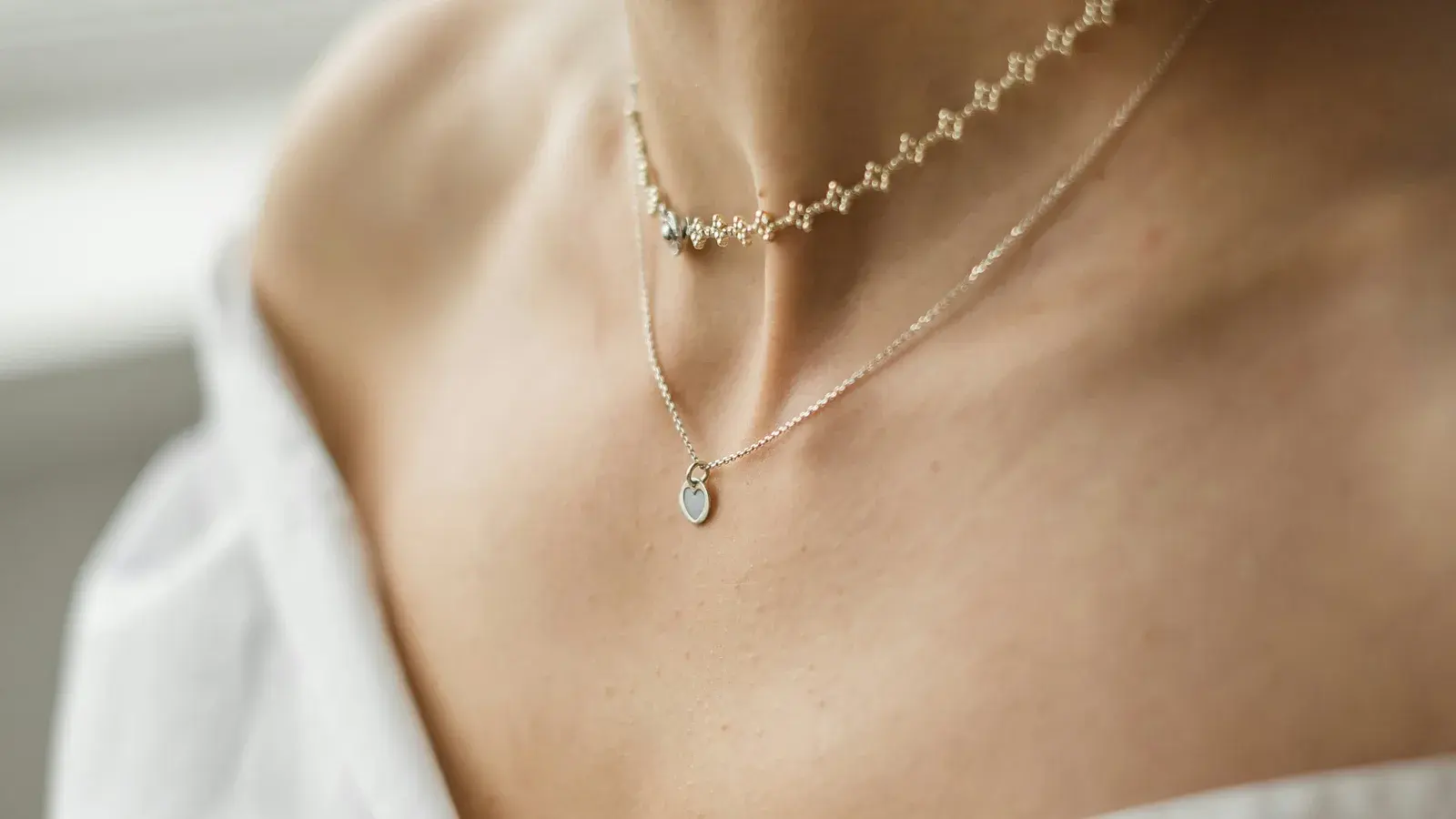
Madrid Atelier Craftsmanship & Gold Vermeil Quality
Gold vermeil represents the highest grade of gold-bonded jewellery, requiring a solid 925 sterling silver base coated in at least 2.5 microns of solid 18K gold. Apodemia’s Madrid atelier exceeds standard commercial electroplating by applying multiple protective coats.
From a luxury craft perspective, evaluating apodemia spanish artisan jewellery review requires examining metallurgical alloy integrity, gemstone setting tolerances, and hallmark stamping precision. Elite ateliers utilize multi-axis CNC milling combined with master hand-finishing to ensure that every bevel, pavé prong, and articulated link moves with fluid micro-mechanical harmony.
On the secondary luxury market, pieces accompanied by original provenance documentation, branded presentation packaging, and pristine unpolished surfaces retain significantly higher value retention, frequently capturing 70% to 90% of current boutique retail prices across curated European and Asian auction platforms.
When evaluating the long-term utility of Apodemia Review: Spanish Artisan Je, industry experts and luxury appraisers emphasize meticulous attention to engineering tolerances, authenticated material sourcing, and adherence to certified manufacturer maintenance protocols. Sourcing through official channels and accredited European boutique platforms ensures pristine factory condition, complete provenance documentation, and seamless access to international service networks.
Atelier Metallurgy, Micro-Craftsmanship, & Setting Tolerances
How master jewellers achieve lifelong structural stability in fine luxury pieces
Behind the radiant aesthetic of luxury fine jewelry lies complex structural engineering. From high-pressure die-striking and precision lost-wax casting to laser micro-welding, top-tier ateliers engineer pieces to withstand decades of daily friction without loosening gemstone prongs or warping band geometries.
In prong-set rings and bracelets, master setters examine pavilion seat depths under 40x magnification, ensuring that each diamond or gemstone is locked into a four-point or six-point mechanical cradle with uniform radial pressure. This prevents stone rotation and minimizes the risk of impact loss.
Furthermore, high-polish inner comfort-fit bands and hand-chamfered edge profiles reduce localized pressure points against the skin, delivering effortless ergonomics for all-day wear.
When evaluating the long-term utility of Apodemia Review: Spanish Artisan Je, industry experts and luxury appraisers emphasize meticulous attention to engineering tolerances, authenticated material sourcing, and adherence to certified manufacturer maintenance protocols. Sourcing through official channels and accredited European boutique platforms ensures pristine factory condition, complete provenance documentation, and seamless access to international service networks.
Luxury Atelier Craftsmanship Standard — Authentic high-jewelry houses inspect every piece through multi-stage quality control, testing clasp tension, link articulation, and hallmark depth before release to boutiques.
Compare Spanish vermeil styling with raw artisan sterling silver designs. Start with artisan solid 925 silver craftsmanship.
Secondary Market Resale Dynamics & Provenance Preservation
Maximizing long-term collector value and liquidation returns
The resale value of designer fine jewelry is governed by brand desirability, metal purity, and document provenance. While unbranded commercial pieces trade strictly at scrap melt value, iconic collections from Cartier, Tiffany & Co., and Bvlgari command substantial secondary premiums.
To maintain maximum market liquidity and achieve 75% to 90% of retail MSRP upon resale:
1. Retain all original packaging: Keep the signature presentation box, outer gift box, travel pouch, and serialized certificate of authenticity.
2. Avoid aggressive aftermarket polishing: Repeated mechanical polishing strips away precious gold weight and softens crisp engraved hallmarks, reducing collector appeal.
3. Clean gently with ultrasonic baths and warm soapy water: Use soft-bristled micro-brushes to remove oils and residues from pavilion facets without scratching mirror-polished gold surfaces.
Heritage Craftsmanship, Metallurgy, & Atelier Design Philosophy
Deconstructing the precious metal alloys, structural balance, and signature aesthetics of Apodemia Review: Spanish Artisan Je
In the world of high jewelry and fine luxury design, Apodemia Review: Spanish Artisan Jewelle represents a benchmark of artistic execution and precious metal integrity. The integration of 18K solid gold (750 millesimal fineness) or 999.9 pure Chuk Kam fine gold ensures that the piece retains enduring intrinsic value while delivering timeless aesthetic prestige. Master goldsmiths balance tensile strength with surface luster, ensuring that delicate bezels and polished facets reflect ambient light with optical brilliance.
Modern ateliers combine heritage hand-finishing techniques—such as manual file chamfering, burr burnishing, and pavé bead-raising—with microscopic laser welding and five-axis CNC micro-milling. This dual approach ensures that prong settings achieve microscopic tolerances, securing natural diamonds and gemstones firmly against daily impact and friction while eliminating metal burrs that might snag delicate fabrics.
Whether designed as an unyielding geometric cuff, an articulated snake-scale coil, or a radiant pure gold heirloom bangle, each piece embodies centuries of European and Asian goldsmithing tradition, engineered to be worn effortlessly across decades.
When evaluating the long-term utility of Apodemia Review: Spanish Artisan Je, industry experts and luxury appraisers emphasize meticulous attention to engineering tolerances, authenticated material sourcing, and adherence to certified manufacturer maintenance protocols. Sourcing through official channels and accredited European boutique platforms ensures pristine factory condition, complete provenance documentation, and seamless access to international service networks.
Fine Jewelry Metallurgical Standard — Authentic 18K gold alloys achieve a Vickers hardness between 130 and 160 HV, providing optimal structural resilience for prong-set gemstones and intricate daily-wear designs.
Authentication Protocols, Hallmark Forensic Inspection, & Anti-Counterfeiting
Step-by-step verification checklist used by luxury authenticators and auction houses
Because luxury fine jewelry icons are among the most frequently replicated items on the global secondary market, verifying physical authenticity requires rigorous forensic inspection under 10x to 40x magnification. Counterfeiters often use lightweight brass cores, electroplated gold layers, or misaligned laser stamping that fails to replicate genuine atelier standards.
To definitively verify authenticity:
1. Hallmark Depth & Font Kerning: Genuine pieces feature crisp, uniformly stamped hallmarks indicating gold purity ('750' for 18K, 'Au750', or '999.9'), maker’s marks, individual serial numbers, and national assay office stamps (such as the French Eagle’s head or Swiss Dog’s head). Engravings must exhibit flat internal slot bases without rounded cast edges.
2. Precious Metal Mass & Specific Gravity: Weigh the piece on a calibrated micro-gram scale. High-end gold alloys possess significant density (15.5 to 19.3 g/cm³). Any discrepancy greater than 5% from official manufacturer specifications indicates base metal substitution.
3. Articulation & Clasp Tension: Inspect hinge pins, safety catches, and screw mechanisms. Authentic clasps close with a crisp, audible mechanical click and show zero play or lateral wobble.
4. Sourcing & Provenance Documentation: Always retain original boutique receipts, serialized certificates of authenticity, and presentation boxes to substantiate secondary market provenance.
Daily Wear Ergonomics, Gemstone Care, & Lifelong Maintenance
Essential preservation practices to maintain mirror luster and structural stability
To ensure that fine jewelry retains its brilliant showroom luster over lifetimes of regular wear, owners must follow disciplined cleaning and maintenance protocols. Skin oils, cosmetic lotions, perfumes, and airborne environmental pollutants gradually form a micro-film over gemstone pavilion facets, diminishing their natural refractive index and brilliance.
Cleaning Protocol: Immerse the jewelry in a gentle bath of lukewarm water mixed with mild pH-neutral dish soap for 15 minutes. Using an extra-soft baby toothbrush, gently clean behind stone settings and between articulated links. Rinse thoroughly under lukewarm running water (with the sink drain safely plugged) and pat dry with a lint-free optical microfiber cloth.
Wear Guidelines: Avoid wearing fine gold and diamond jewelry while handling household bleach, swimming in chlorinated pools, or engaging in heavy weightlifting. Chlorine compounds chemically degrade gold alloys at the microscopic level, leading to stress-corrosion cracking and loosened gemstone settings.
When evaluating the long-term utility of Apodemia Review: Spanish Artisan Je, industry experts and luxury appraisers emphasize meticulous attention to engineering tolerances, authenticated material sourcing, and adherence to certified manufacturer maintenance protocols. Sourcing through official channels and accredited European boutique platforms ensures pristine factory condition, complete provenance documentation, and seamless access to international service networks.
Direct Italian Luxury Boutique Sourcing — Access authenticated designer fine jewelry and luxury fashion accessories imported directly from certified European boutiques via italist with up to 40% savings off standard department store MSRP.
Secondary Market Valuation, Resale Liquidity, & Heirloom Wealth Retention
How brand equity and precious metal content preserve capital across market cycles
Unlike unbranded commercial jewelry that depreciates immediately to raw scrap melt value upon purchase, prestigious heritage jewelry from top-tier houses (such as Cartier, Tiffany & Co., Bvlgari, and Chow Sang Sang) enjoys robust secondary market liquidity. On leading curated resale platforms and international auction houses, authentic pieces routinely recapture 70% to 90% of current boutique retail prices.
Furthermore, as global luxury brands institute annual retail price adjustments of 5% to 10% to account for precious metal inflation and brand equity growth, well-preserved iconic models frequently appreciate beyond their initial purchase price over long holding horizons.
Holding fine jewelry pieces provides a dual advantage: immediate tactile aesthetic utility and a tangible, portable physical store of noble metal wealth that transcends currency devaluations.
When evaluating the long-term utility of Apodemia Review: Spanish Artisan Je, industry experts and luxury appraisers emphasize meticulous attention to engineering tolerances, authenticated material sourcing, and adherence to certified manufacturer maintenance protocols. Sourcing through official channels and accredited European boutique platforms ensures pristine factory condition, complete provenance documentation, and seamless access to international service networks.
Related Collections
Where to Buy
Frequently Asked Questions
Is gold vermeil hypoallergenic?
Yes. Because gold vermeil uses pure sterling silver as its base rather than nickel or brass, it is hypoallergenic and safe for sensitive skin.
How should I clean and maintain my fine jewelry at home?
Clean fine gold and platinum jewelry using warm water, mild liquid dish soap, and an ultra-soft toothbrush to gently remove skin oils from gemstone pavilions. Rinse thoroughly in lukewarm water and dry with a lint-free microfiber cloth.
How should I clean and maintain my fine jewelry at home?
Clean fine gold and platinum jewelry using warm water, mild liquid dish soap, and an ultra-soft toothbrush to gently remove skin oils from gemstone pavilions. Rinse thoroughly in lukewarm water and dry with a lint-free microfiber cloth.
How should I clean and maintain my fine jewelry at home?
Clean fine gold and platinum jewelry using warm water, mild liquid dish soap, and an ultra-soft toothbrush to gently remove skin oils from gemstone pavilions. Rinse thoroughly in lukewarm water and dry with a lint-free microfiber cloth.
How should I clean and maintain my fine jewelry at home?
Clean fine gold and platinum jewelry using warm water, mild liquid dish soap, and an ultra-soft toothbrush to gently remove skin oils from gemstone pavilions. Rinse thoroughly in lukewarm water and dry with a lint-free microfiber cloth.
What is the warranty and authentication coverage for Apodemia Review: Spanish Artis?
All authentic products purchased through authorized retailers or certified direct-from-boutique platforms come with full manufacturer international warranty coverage, serialized authentication paperwork, and verified provenance records.
Continue Reading
jewellery
How to Buy a Diamond Engagement Ring: The Complete Guide
Diamond engagement ring buying guide covering the 4Cs, settings, budgeting and where to shop for the best value.
jewellery
Lab Grown vs Natural Diamonds: Everything You Need to Know
Lab grown vs natural diamonds compared on quality, price, resale, ethics and appearance for informed buying decisions.
watches
First Class Watches Voucher Codes & Luxury Brand Guide 2026: 5% to 15% OFF Tested
A comprehensive buyer’s manual and verified promo code repository for First Class Watches, the UK’s premier official authorised watch stockist. We detail brand-specific coupons saving 10% to 15% across elite horology houses (Rado, Longines, Garmin, Hamilton, Tissot, Frederique Constant, Junghans) wh