Jewellery
Engagement Ring Buying Guide 2026
By Thomas Lovas Lokoy — researched and drafted with AI, then reviewed, fact-checked and approved by Thomas Lovas Lokoy (editorial policy) | Last updated: June 2026
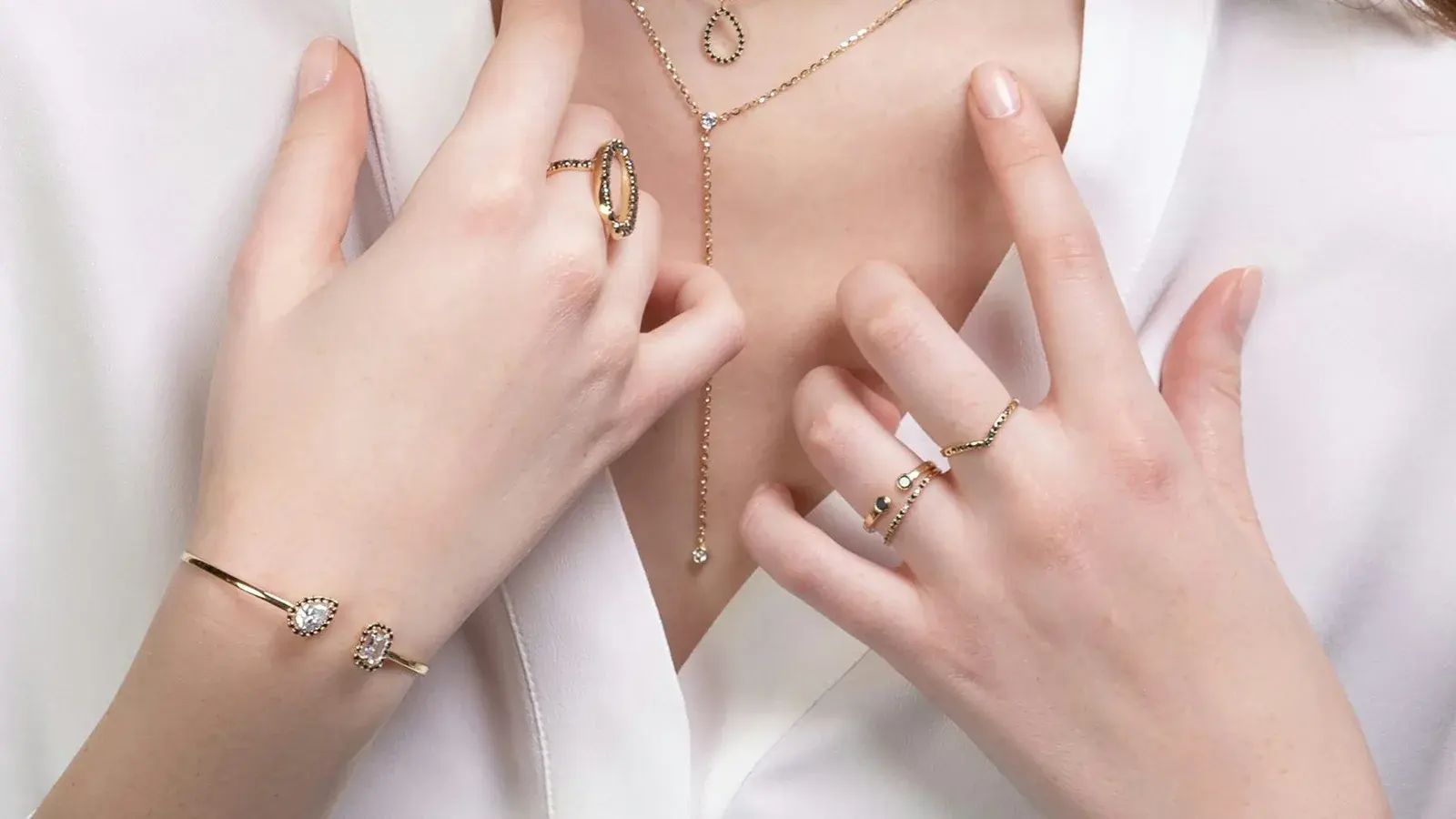
An engagement ring is usually someone's first serious jewellery purchase, made under emotional and sales pressure. Here's how to buy well without overpaying.
The 4Cs, ranked by what you'll notice. Cut matters most — it drives the sparkle, and a well-cut stone outshines a larger, poorly cut one. Colour and clarity matter next, but for many stones the differences between adjacent grades are invisible to the naked eye, so paying for the top grade often buys a certificate, not a visible difference. Carat (size) is what people fixate on, but a slightly smaller, better-cut stone usually looks better than a larger dull one.
Lab-grown vs natural. Lab-grown diamonds have the same crystal structure as natural stones and nearly the same properties, cost substantially less, and let you buy a bigger or better-cut stone for the same budget. Natural diamonds carry rarity and tradition, and have held resale value better. Neither is "wrong" — it is a values-and-budget choice, and lab-grown versus natural diamonds sets out both sides. Lab-grown prices have fallen substantially as production capacity has scaled, so treat any specific price comparison you read as perishable and check current pricing yourself.
Metal choice. Platinum is durable and naturally white but pricier. 18K white, yellow or rose gold balances durability and value; 14K is harder and cheaper. Match the metal to daily wear and skin tone — and note that pure 24K is the wrong choice for a ring worn every day, for the reasons set out in 18K gold versus 999 gold.
Insist on certification. For any diamond, get an independent grading report from a recognised laboratory. Never rely on the seller's own grading alone. Note that since 1 October 2025 GIA no longer gives lab-grown stones D-to-Z colour and clarity grades but a Premium or Standard quality assessment. For the setting, confirm the metal hallmark — what that hallmark legally guarantees depends on the country, as how to read a gold hallmark explains.
Where to buy. Established jewellers with clear certification and return policies. For high-purity gold settings and diamond pieces, a recognised gold house gives verifiable quality; where to buy gold jewellery online covers how to judge a seller, and the 4Cs guide goes deeper on the stone itself.
Buy the best cut you can afford, certified, in a metal that suits daily wear. Nothing here is financial advice.
Related Collections
Co-founder & Editor, NorwegianSpark SA
Thomas Lovas Lokoy is the co-founder of NorwegianSpark SA, the Norwegian company (org. 834 984 172) that runs NordicGilt. He reviews, fact-checks and approves every article before it is published. Articles are researched and drafted with AI assistance; Thomas is responsible for what goes live. Corrections: thomaslien@norwegianspark.com.
Frequently Asked Questions
Which of the 4Cs matters most when buying a diamond?
Cut, by a clear margin — it drives the sparkle, and a well-cut smaller stone usually looks better than a larger, poorly cut one. Colour and clarity matter next, but for many grades the difference is invisible to the naked eye. Carat is what buyers fixate on, but it's the least important of the four for how the ring actually looks.
Are lab-grown diamonds a legitimate choice for an engagement ring?
Yes — GIA describes lab-grown diamonds as having the same crystal structure and nearly the same chemical, optical and physical properties as natural diamonds, and they cost significantly less, letting you buy a bigger or better-cut stone for the same budget. Natural diamonds carry more rarity and currently hold resale value better. Neither choice is wrong; it's a values-and-budget decision.
Continue Reading
jewellery
Cartier Love Ring: 18K Gold Buyer’s Guide, Sizing Secrets, & Counterfeit Checklist
A definitive collector and buyer guide to the Cartier Love Ring.
jewellery
Chow Sang Sang 999.9 Gold Review: Ancient Matte Craftsmanship & Purity Hallmarks
A detailed collector evaluation of Chow Sang Sang (CSS), one of Hong Kong and Asia’s premier heritage fine jewellery houses founded in 1934.
gold silver
Silver vs Gold — Which to Stack in 2026?
Stacking means building a physical holding piece by piece. How silver and gold compare for that job — entry cost, VAT, space, premiums — and how regular buying works in practice.