Gold & Silver
How to Buy Gold: The Beginner's Complete Guide (2026)
By Thomas Lovas Lokoy — researched and drafted with AI, then reviewed, fact-checked and approved by Thomas Lovas Lokoy (editorial policy) | Last updated: October 2026
The Short Answer
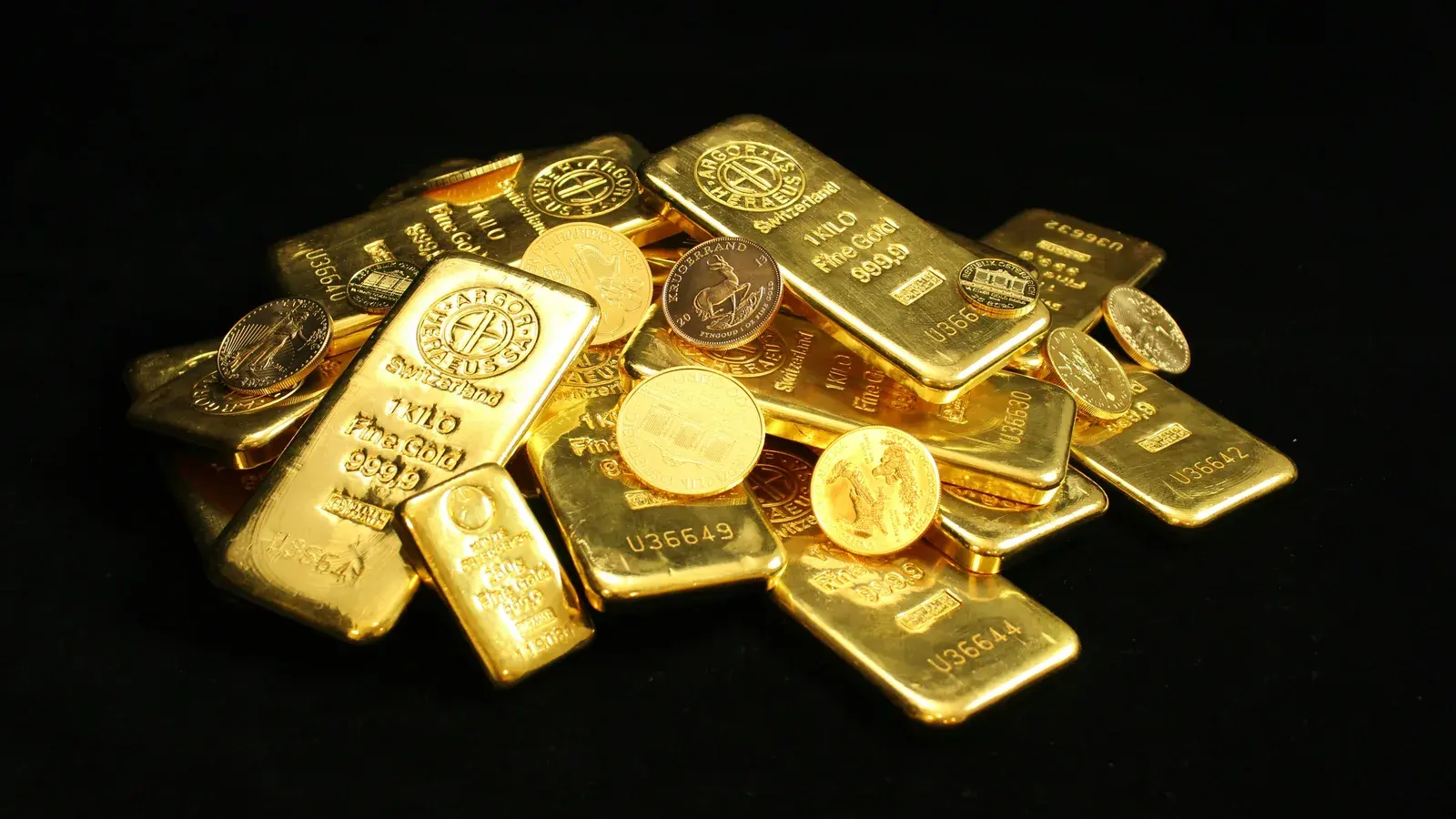
For most beginners the simplest first purchase is a widely recognised one-ounce gold bullion coin — a Britannia, Maple Leaf, Krugerrand or American Gold Eagle — from an established dealer that shows live prices against spot and publishes what it pays to buy back. Before you buy, learn the handful of terms dealers use, decide whether you want metal or only price exposure, and know your all-in cost. Store the coin in a graded safe or the dealer’s vault, keep the invoice, and treat gold as a long-term diversifier, not a quick trade. Nothing here is financial advice; gold can fall for long periods.
This guide is the starting point: the vocabulary, the five decisions behind a first purchase, a worked cost breakdown and the mistakes beginners make. Each decision links to a deeper guide — for the bars-versus-coins question in detail, see our guide to buying gold bullion.
Ten Terms Every Beginner Needs
| Term | What it means | Why it matters |
|---|---|---|
| Spot price | The current wholesale price of gold, quoted per troy ounce | Every retail price is spot plus something |
| Troy ounce | 31.1035 grams — the unit gold is priced in | A “1 oz” coin contains one troy ounce of fine gold |
| Fineness | Parts per thousand of pure gold: 999.9, 916.7, 750 | Tells you how much of the weight is gold |
| Karat (ct) | Parts of 24: 24 ct ≈ 999, 22 ct ≈ 916.7 | Jewellery and coins are often described this way |
| Premium | What you pay above spot | Your first cost; higher on small items |
| Spread | The gap between a dealer’s selling and buying price | Your round-trip cost |
| Investment gold | Bars of 995 or finer and qualifying coins, VAT-exempt in the EU | Decides whether you pay VAT |
| Bullion coin | A coin priced on its gold content | Versus a collector coin priced on rarity |
| Allocated | Specific bars or coins held in your name | Versus a claim on a pool of metal |
| LBMA Good Delivery | The wholesale standard: 350–430 fine oz bars at 995.0 or finer from accredited refiners | Why refiner marks matter at retail too |
With those ten, you can read any dealer’s price list. Our explainer on the spread goes deeper on the cost terms.
Five Decisions for a First Purchase
- Metal or price exposure? Physical gold gives you the metal; a physically backed fund gives you its price inside a brokerage account. Our ETF versus physical comparison sets out the trade-offs.
- Coin or bar? Coins are recognisable, easy to sell and, in some countries, treated favourably for tax; bars cost less over spot per gram in larger sizes. Our best gold coins guide compares the common coins, and our guide to buying gold bars the bars.
- What size? Very small items cost much more per gram; one ounce is the usual first purchase.
- Which dealer? Live prices, a published buy-back price, insured delivery and a verifiable history; our guide to trusted dealers in Europe applies those checks.
- Where to keep it? A graded, bolted safe with your insurer informed, or allocated storage; our storage options guide compares costs.
A Worked Example: The Cost of a First Coin
Using an illustrative spot price of 3,000 per troy ounce and round figures (not real quotes):
- The coin contains one troy ounce of fine gold, worth 3,000 at spot.
- The dealer sells it at a 5 percent premium: 3,150.
- Insured delivery adds 30: total 3,180.
- The dealer’s buy-back price that day is 2 percent under spot: 2,940.
If you sold immediately you would receive 2,940 for something that cost 3,180 — a round-trip cost of 240, or about 7.5 percent of spot. The gold price would have to rise by roughly that much before you broke even. The numbers will differ for every dealer and product, but the method does not: ask for the selling price, the delivery cost and the buy-back price before you order, and compare dealers on the round trip rather than the headline price.
Beginner Mistakes to Avoid
- Buying collector coins as an investment. Proof and numismatic coins carry premiums far above their gold value that you may never recover.
- Comparing headline prices only. A low price with expensive delivery, or a dealer with a wide buy-back spread, can cost more in the end.
- Very small items for a large sum. One-gram bars and tiny coins are expensive per gram; buy them as gifts, not as a portfolio.
- Buying from strangers. Private sellers and general marketplaces are where counterfeits circulate; our guide to how counterfeit bullion is detected explains the checks.
- Forgetting insurance and records. Tell your insurer, keep invoices and packaging, and record serial numbers.
- Oversizing after a rally. Decide the share of your savings that belongs in gold first, then build to it, ideally in instalments.
Once the first purchase is done, our gold investment overview covers the five ownership routes and their running costs.
Gold and collectibles carry risk and prices fluctuate — nothing here is financial advice. Consider your own situation or speak to a qualified adviser.
Related Collections
Where to Buy
Sources
Co-founder & Editor, NorwegianSpark SA
Thomas Lovas Lokoy is the co-founder of NorwegianSpark SA, the Norwegian company (org. 834 984 172) that runs NordicGilt. He reviews, fact-checks and approves every article before it is published. Articles are researched and drafted with AI assistance; Thomas is responsible for what goes live. Corrections: thomaslien@norwegianspark.com.
Frequently Asked Questions
What is the easiest way for a beginner to buy gold?
A widely recognised one-ounce bullion coin, such as a Britannia or a Maple Leaf, bought from an established dealer that publishes live prices and a buy-back price, delivered insured or held in the dealer’s vault. If you want only price exposure without owning metal, a physically backed fund through a brokerage account is simpler still. Decide which of the two you want before choosing a product.
Is buying gold online safe?
It can be, if you use an established dealer with live pricing against spot, a published buy-back policy, insured delivery and a verifiable trading history, and you check the seal, serial number and weight when the parcel arrives. The risks are in private sellers, unfamiliar marketplaces and prices well below the market.
What is the difference between 24 ct and 22 ct gold coins?
Fineness. A 24 ct coin such as the Maple Leaf or the gold Britannia is 999.9 fine; a 22 ct coin such as the American Gold Eagle or the Krugerrand is 916.7 fine, alloyed for hardness. A one-ounce 22 ct bullion coin still contains a full troy ounce of fine gold — it simply weighs more in total. Both are investment gold.
Do I pay tax when I buy or sell gold?
It depends on where you live. In the EU, investment gold — bars of 995 fineness or better and qualifying coins — is exempt from VAT under Article 344 of the VAT Directive. Gains on sale are taxed differently in each country: in Norway, for example, gains on physical gold are generally subject to capital gains tax, while the UK exempts some legal-tender coins. Check the rules where you live before you buy.
Continue Reading
gold silver
Gold Investment in 2026: What Every Buyer Needs to Know
Gold investment guide for 2026: the five ways to own gold, what each one costs to hold, what moved the market in 2025, how tax differs by country, and the mistakes that cost buyers most.
gold silver
Best Gold Coins to Buy in 2026: Bullion Coins Ranked
Which gold coin is best to buy? Maple Leaf, Britannia, Eagle, Krugerrand and Philharmonic ranked on purity, premium over spot and resale liquidity.
watch investment
How to Start a Watch Collection: Beginner's Guide for 2026
Beginner's guide to starting a watch collection in 2026 — choosing a collecting strategy, what to buy first at each budget, where to buy, cost per wear, and how to look after what you own.