Jewellery
How to Authenticate Luxury Jewellery Without Any Paperwork
By Thomas Lovas Lokoy — researched and drafted with AI, then reviewed, fact-checked and approved by Thomas Lovas Lokoy (editorial policy) | Last updated: September 2026
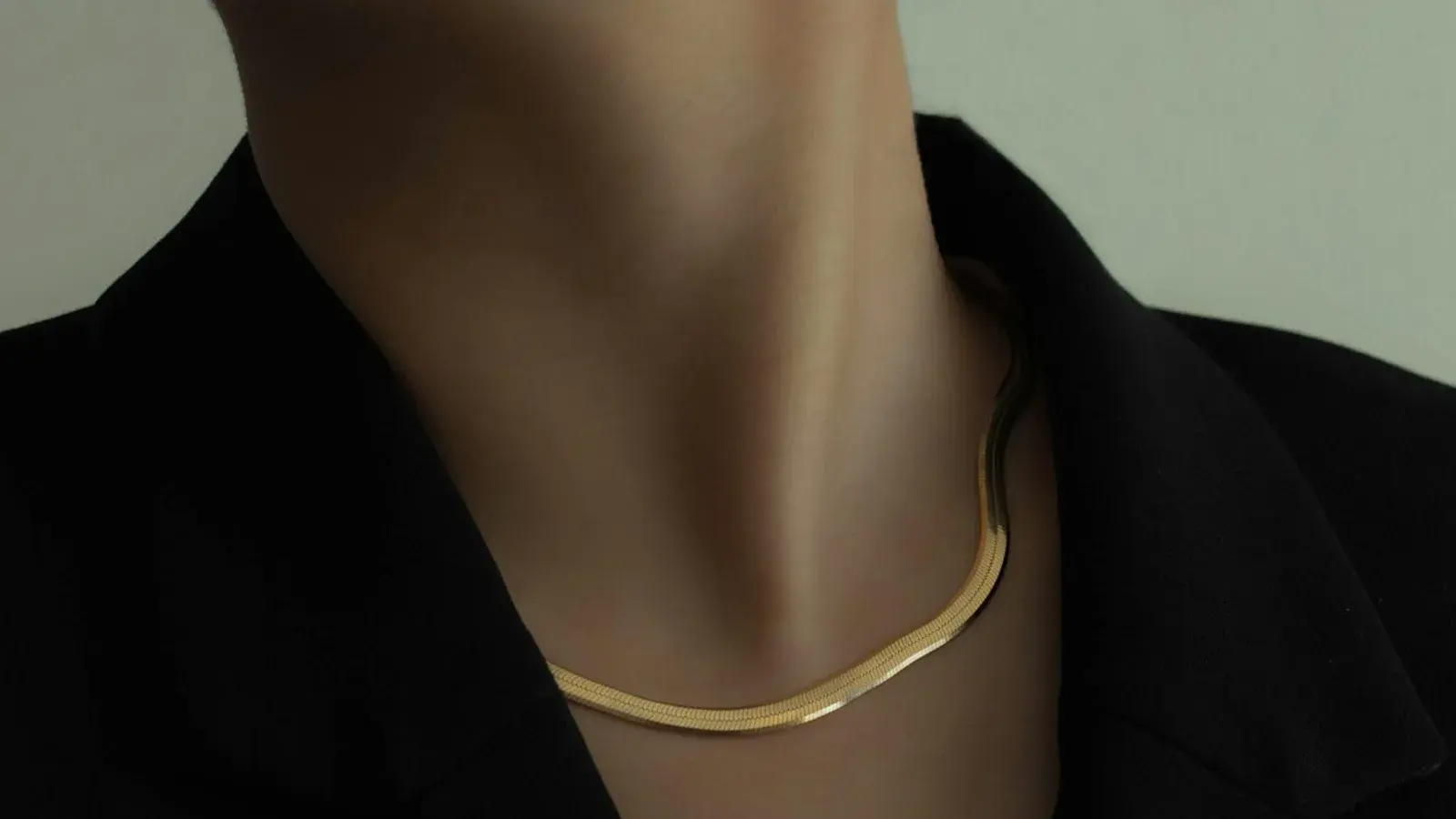
Four kinds of claim removed from this page
This article has been rewritten, and four things it used to assert are gone because no source could be produced for any of them. The categories are worth recognising, because you will meet all four on the next page you read about this subject.
A market-size figure for counterfeiting. Large round estimates of the global fake goods trade circulate endlessly and almost never carry a methodology. They are atmosphere, not evidence, and they exist to make the reader anxious enough to keep reading.
A price range for an authentication report. Quoted in one currency, for one country, at one moment. Two phone calls to jewellers near you will produce a real figure in your currency in five minutes, which is why this page tells you to make them.
A training-data claim for a commercial service. A number of examples a machine-learning system was supposedly trained on. It is unverifiable from outside the company, and it would not tell you the accuracy rate even if it were true.
A currency threshold above which you should pay a professional. This was the most damaging of the four, because it reads as a decision rule and a reader would act on it. It is also meaningless outside one currency and one market, and value is not what makes a piece difficult to judge in the first place.
What replaces them is the part that is checkable: what a mark legally guarantees in each of the major markets, what you can measure without equipment you do not own, and how to decide when to stop and pay someone.
Start with the mark, and know what system struck it
The single most useful thing about a piece with no paperwork is that the paperwork is often stamped into the metal. What it is worth depends entirely on which country's system put it there, and the three main systems are genuinely different in what they promise.
The United Kingdom: independent assay before sale. The Goldsmiths' Company Assay Office states, checked 6 September 2026, that a hallmark "guarantees that it conforms to all legal standards of purity (fineness)" and "means that the article has been independently tested". Three marks are compulsory — the sponsor's mark identifying who submitted the article, the millesimal fineness mark, and the assay office mark showing which office tested it. Two more are optional: the traditional fineness symbol and the date letter. That combination is unusually powerful for a buyer with no receipt, because the date letter can place a piece in a year and the sponsor's mark can identify who submitted it.
The United States: a representation by the seller, not an independent test. There is no assay office. The Federal Trade Commission's Jewelry Guides at 16 CFR 23.3, checked 6 September 2026, reserve unqualified use of the word Gold for a product "which is not composed throughout of fine (24 karat) gold" — that is, an alloy may be called gold only where "a correct designation of the karat fineness of the alloy immediately precedes the word Gold or its abbreviation, and such fineness designation is of at least equal conspicuousness". Tolerances come from the National Stamping Act: three parts per thousand for an article containing no solder, and seven parts per thousand where the tested part contains solder. So a US karat stamp is enforceable as a deception matter and is not evidence of independent testing.
Hong Kong: regulated at the counter. Per the trade descriptions marking rules published by Hong Kong Customs and Excise, checked 6 September 2026, a retailed gold article "must bear a mark indicating the fineness of gold content in the form and manner specified", the invoice must state that fineness, and a notice of not less than 210 mm by 297 mm setting out the legal requirements must be displayed at the point of supply.
Our guides to reading a gold hallmark and hallmarks beyond the UK go through the symbols themselves.
The absence of a mark is not automatically a red flag
This is the mistake people without paperwork make most often, and it costs them money in both directions.
Small items are legally exempt. The Hallmarking Act 1973, Schedule 1 Part II, checked at legislation.gov.uk on 6 September 2026, exempts from hallmarking articles below these weights, provided the fineness requirements are met: gold, 1 gram. Silver, 7.78 grams. Platinum, 0.5 gram. Palladium, 1 gram.
So an unmarked fine chain, a small stud, a thin ring shank — these can be entirely legitimate and entirely unmarked, and a seller who tells you so may be telling the truth. Equally, an old piece may have been marked and then had the mark polished away or removed during a resizing, and a piece made in a country with no marking obligation was never going to carry one.
What all of that means in practice: treat the mark as strong evidence when it is present and legible, and treat its absence as no evidence at all. Move on to what you can measure.
What you can check yourself, in order of usefulness
- Magnification. A ten times loupe is the cheapest thing on this list and reveals the most. Authentic stamps on branded pieces are crisply struck, evenly spaced, consistently deep and correctly placed. Blurred, shallow, crooked or oddly positioned marks are the commonest tell.
- Weight. Alloy composition and construction are hard to fake precisely. Weigh the piece on a scale reading to 0.01 grams and compare it with the maker's published specification for that model and size where one exists.
- Dimensions. Digital callipers, width, thickness and inner diameter. Counterfeiters routinely adjust dimensions slightly to simplify production.
- Construction quality. Look at the inside of a setting, the back of a clasp, the join of a link. Finishing on the surfaces nobody photographs is where cost is cut.
- Stone setting. Stones sitting at inconsistent heights, prongs of uneven length, or adhesive where there should be metal are structural tells rather than cosmetic ones.
- Magnet. Gold, silver and platinum are not magnetically attracted. A magnet does not prove a piece is genuine but a positive result ends the conversation immediately.
What none of this settles is composition. That needs an X-ray fluorescence reading, which is non-destructive, takes seconds, and is offered by many independent jewellers and assay offices. We are not going to quote you a price for it because it varies by country and by provider — call two local jewellers and ask, which takes five minutes and gives you a real number rather than ours.
Provenance without paperwork, and what a brand can confirm
With no receipt and no certificate, provenance has to be reconstructed rather than produced. Three routes are worth trying, in this order.
The serial or reference number. Many houses engrave a serial on branded pieces and maintain records against it. What a brand will confirm varies — some will tell an owner whether a number corresponds to a piece they made, some will only speak to the person named on the original sale, and some will not discuss it at all. Ask; the cost is a phone call and the answer is definitive when it comes.
The service and repair route. A brand boutique or authorised service centre handling a piece will form a view about it, and in some cases will decline to work on it. A refusal is informative even when it is not explained.
The chain of custody you can document. An inherited piece often has a photograph of someone wearing it, a probate valuation, an insurance schedule or an old repair invoice attached to it somewhere. None of those is a certificate and all of them are evidence, and together they can be more persuasive to a specialist buyer than a card with no watch attached. Our guide to photographing jewellery for insurance covers the shots that make a record usable.
One caution about certificates you may be offered. A certificate of authenticity issued by the seller is a statement by the seller. A gemmological report from an independent laboratory is a statement about the stones and usually says nothing about who made the setting. The two are not interchangeable, and the second is not a brand authentication.
When to stop and pay someone, and how to choose them
The old version of this page gave a currency threshold. That was the wrong shape of rule, because a threshold in dollars is meaningless to a reader in another currency and another market, and because value is not what makes a piece hard to judge.
The better rule is about your own uncertainty and about the consequences of being wrong.
- Stop if the checks disagree with each other. A crisp mark on a piece whose weight is out is a worse sign than either on its own.
- Stop if the piece is a high-target design. The most copied models are copied best, and they are copied by people who have seen the real one.
- Stop if you are about to sell it as genuine. Representing something as authentic when you do not know is a legal exposure as well as a financial one.
- Stop if the price is the reason it looks attractive. A price well below the market is information about the piece, not about your luck.
- Do not stop for a piece you will keep and wear, where being wrong costs only the price you paid.
When you do pay, choose the person by what they are qualified to say. A gemmologist can speak to stones. A specialist in a given house can speak to that house's construction, marks and period details. A generalist "authentication service" with a machine-learning claim and no named human is offering an opinion whose basis you cannot examine — which may still be useful, and is not the same as an expert report you could rely on in a dispute.
Ask three questions before you commit: what exactly will the report state, who is signing it, and does it cover the maker or only the materials. If the answers are vague, the report will be too. And if you are working on gold specifically rather than a branded design, how to spot fake gold jewellery and how to authenticate gold jewellery cover the metal side in more depth than this page does.
Where to Buy
Sources
Co-founder & Editor, NorwegianSpark SA
Thomas Lovas Lokoy is the co-founder of NorwegianSpark SA, the Norwegian company (org. 834 984 172) that runs NordicGilt. He reviews, fact-checks and approves every article before it is published. Articles are researched and drafted with AI assistance; Thomas is responsible for what goes live. Corrections: thomaslien@norwegianspark.com.
Frequently Asked Questions
Is jewellery without a hallmark automatically suspicious?
No, and assuming so will cost you good pieces. Under the Hallmarking Act 1973, Schedule 1 Part II, articles below certain weights are exempt from hallmarking provided the fineness requirements are met: gold under 1 gram, silver under 7.78 grams, platinum under 0.5 gram and palladium under 1 gram. A fine chain or a small stud can therefore be genuine and unmarked. Marks are also lost to polishing and to resizing, and many countries impose no marking obligation at all. Treat a present, legible mark as strong evidence and its absence as no evidence either way.
What does a US karat stamp actually guarantee?
That the seller has made a representation which is enforceable as a deception matter, not that anyone independent has tested the metal. There is no assay office in the United States. The FTC Jewelry Guides at 16 CFR 23.3 reserve unqualified use of the word Gold for product composed throughout of fine 24 karat gold, and require that a correct karat designation immediately precede the word and be of at least equal conspicuousness. Tolerances under the National Stamping Act are three parts per thousand with no solder present and seven parts per thousand where the tested part contains solder.
Can I authenticate a piece myself without any equipment?
Partly. A ten times loupe is inexpensive and reveals the most: crisp, evenly spaced, correctly placed stamps versus blurred or crooked ones. A scale reading to 0.01 grams and a set of digital callipers let you compare weight and dimensions against a maker's published specification. A magnet will not prove a piece genuine but a positive result ends the conversation, since gold, silver and platinum are not magnetically attracted. What none of that settles is composition, which needs an X-ray fluorescence reading from a jeweller or assay office.
What can a brand tell me about a serial number?
It varies by house and it is worth a phone call because the answer is definitive when it comes. Some makers will confirm to an owner whether a serial corresponds to something they produced. Some will only discuss records with the person named on the original sale. Some will not engage at all. A separate and often useful signal is what happens when you present the piece to a brand service centre: a refusal to work on it is informative even when no reason is given.
Is a certificate of authenticity proof?
Not on its own, and the wording matters. A certificate issued by the seller is a statement by the seller about their own goods. An independent gemmological report is a statement about the stones and usually says nothing about who made the setting. Neither is a brand authentication. Before paying for any report, ask three questions: what exactly will it state, who is signing it, and does it cover the maker or only the materials.
When is it worth paying an expert?
When your own checks disagree with each other, when the design is one of the heavily copied models, when you are about to sell the piece as genuine, or when the low price is the reason it looks attractive. It is generally not worth it for something you will keep and wear where being wrong costs only what you paid. Choose the expert by what they are qualified to say: a gemmologist speaks to stones, a house specialist speaks to construction, marks and period details, and those are not the same report.
Continue Reading
jewellery
The Diamond Buying Guide: Understanding the 4Cs
Cut, colour, clarity, carat — the 4Cs determine a diamond's value and appearance. Here's how to use them to get the most for your money.
jewellery
Best Fine Jewellery Brands 2026: Tiffany to Mejuri
We review the leading fine jewellery brands — from heritage houses to modern disruptors — across quality, value, ethical sourcing, and aftercare.
watches
Luxury Watches That Hold Value in 2026: Rolex, Patek, AP
Secondary-market value retention for Rolex, Patek Philippe and Audemars Piguet, plus Tudor, Omega and Grand Seiko, and how to buy to protect resale.