Watches
Swiss vs Japanese Watches: Which Should You Buy in 2026?
By NorwegianSpark Editorial — written with AI assistance and reviewed by the NorwegianSpark SA editorial team | Last updated: September 2026
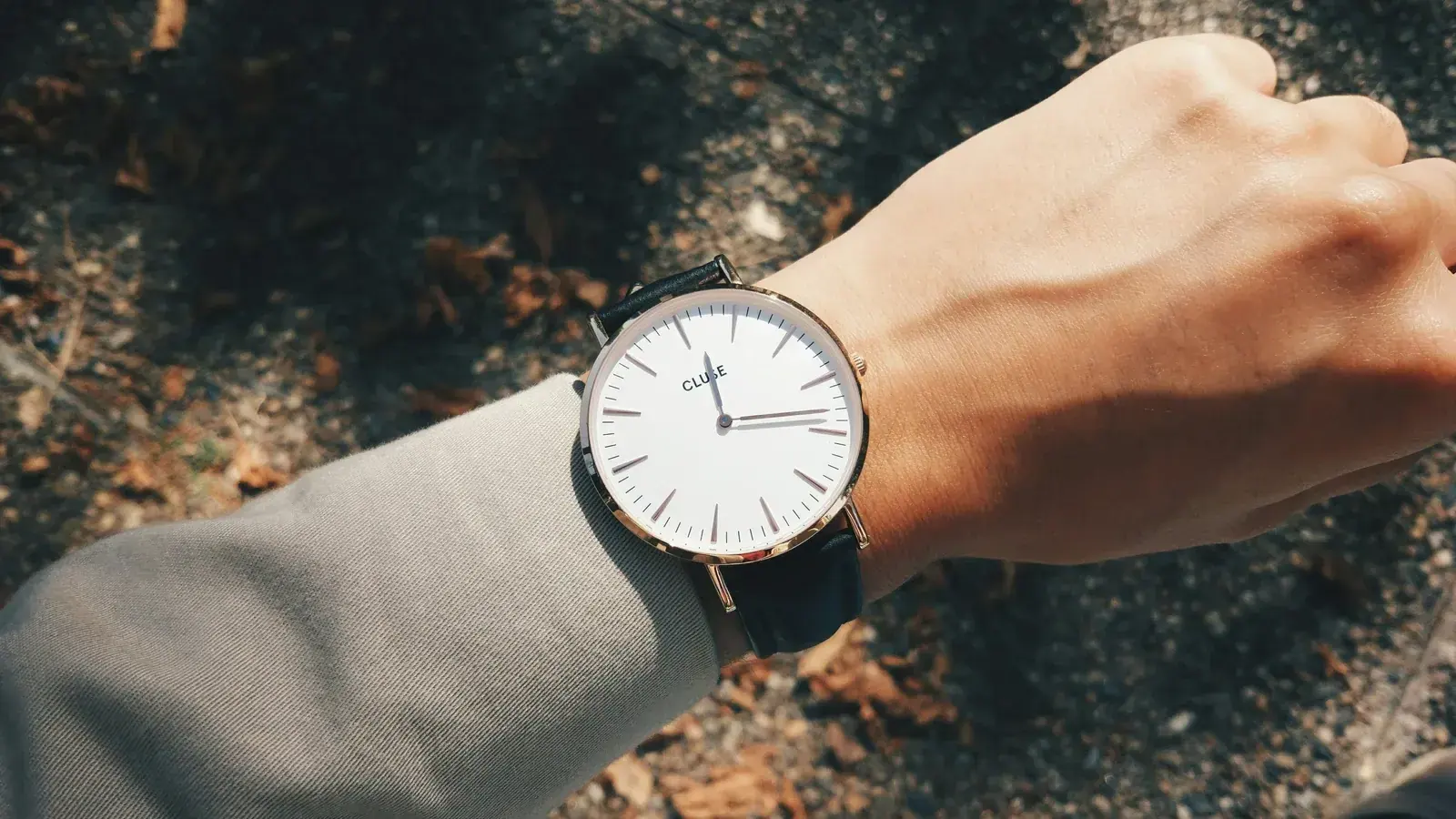
The honest framing
This is not a contest with a single winner. Swiss and Japanese watchmaking represent two different value systems, and the right answer depends on what you want from a watch.
Swiss watchmaking sells heritage, hand-finishing and the prestige of a protected national label. Japanese watchmaking sells engineering innovation, vertical integration and remarkable value at every price point. A buyer who wants the story, the finishing and the resale ecosystem leans Swiss. A buyer who wants the most capability and precision for the money, and is drawn to genuinely novel technology, leans Japanese. Both camps are right for their own reasons.
What 'Swiss Made' really means
The words on the dial are protected by law, and the law was tightened in a revision that took effect on 1 January 2017. Before then, the rules focused mainly on the movement; today the whole watch is assessed.
According to the Federation of the Swiss Watch Industry, a watch can now carry Swiss Made only if at least 60% of its total manufacturing cost — excluding the bracelet or strap — is incurred in Switzerland, it contains a Swiss movement, and it is both cased up and given its final inspection in Switzerland. The movement itself must be at least 60% Swiss by manufacturing cost and use at least 50% Swiss-made components by value.
That 60% threshold is meaningful but not absolute: a portion of the watch can still be made elsewhere. 'Swiss Made' is a strong signal of Swiss origin and quality control, not a promise that every screw was turned in Geneva. Knowing exactly what it certifies helps you judge what you are paying the Swiss premium for.
What Japan does that Switzerland doesn't
Japan's watch houses are unusually vertically integrated — they make their own hairsprings, dials and even the quartz crystals — and that has produced technologies with no direct Swiss equivalent.
Seiko's Spring Drive is the headline example. It is a mechanical movement, wound by a conventional mainspring, but its glide wheel is regulated electronically by a quartz reference rather than a mechanical escapement. The result is a seconds hand that sweeps in a perfectly smooth glide and accuracy far tighter than a traditional mechanical watch can reach, as Seiko documents in its own technical material. Grand Seiko uses it in watches whose hand-finishing rivals anything from Switzerland.
Citizen's Eco-Drive takes a different route: a solar cell under the dial converts light to power, so the watch never needs a battery change and can run for months in darkness on a full charge. Citizen has also built some of the most accurate quartz movements ever sold. These are not budget shortcuts — they are distinct engineering philosophies aimed at precision and low maintenance.
Where each wins
Choose Swiss if you want hand-finishing, a deep heritage narrative, and access to the strongest secondary-market ecosystem. At entry level, Tissot and Hamilton give you genuine Swiss mechanical watchmaking affordably; higher up, Longines, Oris and the grand houses reward those who value craft and provenance.
Choose Japanese if you want maximum engineering for the money, standout technology, and famously robust reliability. Seiko's mechanical divers and Grand Seiko's high-beat and Spring Drive pieces punch well above their price in finishing, while Citizen's Eco-Drive is the most fuss-free precise watch you can own.
Many serious collectors end up owning both, precisely because they answer different desires.
Buying authentically, whichever you choose
For new watches, buy from an authorised retailer so your warranty and authenticity are guaranteed. First Class Watches, a UK authorised stockist, carries Swiss names like Longines, Tissot and Hamilton alongside Japanese brands such as Seiko and Citizen, which makes it straightforward to compare both traditions under one warranty.
If you are still working out which camp you belong to, Watch Gang is a members' watch club offering deals on name-brand watches; read its membership terms before joining, and handle a few watches in person before committing serious money to a single reference.
Wherever you buy, be cautious with grey-market and heavily discounted listings: verify the seller's reputation, insist on box and papers for anything pre-owned, and remember that a genuine watch under full warranty is usually worth more than a small saving on an unverified one. Our guide to buying pre-owned luxury watches safely covers escrow, inspection windows and warranty-backed specialists in detail. Nothing here is financial advice — buy the watch you will actually wear.
Related Collections
Where to Buy
Frequently Asked Questions
What does 'Swiss Made' actually guarantee?
Since the ordinance that took effect on 1 January 2017, a watch may be labelled Swiss Made only if at least 60% of its manufacturing cost (excluding the strap) is incurred in Switzerland, it uses a Swiss movement, and it is cased up and given its final inspection in Switzerland. The movement itself must also be at least 60% Swiss by cost and at least 50% Swiss by component value.
Are Japanese watches lower quality than Swiss?
No. Japanese houses such as Seiko, Grand Seiko and Citizen build in-house movements to very high standards. Seiko's Spring Drive and Citizen's Eco-Drive are technologies the Swiss industry has no direct equivalent to. The difference is philosophy — Swiss finishing and heritage versus Japanese innovation and value — not a simple quality gap.
Which offers better value for a first serious watch?
Japanese brands generally deliver more mechanical watch per pound at entry level, while entry Swiss brands like Tissot and Hamilton add Swiss heritage for a modest premium. Both are sound first-watch choices; buy the one whose look and story you will actually want to wear.
Do either hold their value?
Only a narrow set of specific references — Swiss or Japanese — reliably hold or grow in value; most watches depreciate like any consumer good. Research the reference, not just the country of origin, and treat a watch as something to enjoy first.
Continue Reading
watches
Best Luxury Watch Brands 2026 — Compared
From entry luxury to grail-tier, the watch world ranks heritage, movement and resale. How the major houses compare and where the value sits.
watches
First Class Watches Voucher Codes & Luxury Brand Guide 2026: 5% to 15% OFF Tested
A comprehensive buyer’s manual and promo code overview for First Class Watches, the UK’s premier official authorised watch stockist.
jewellery
Rose vs Yellow vs White Gold: How to Choose (2026)
Same karat, same gold content — but three very different metals to live with. We compare the alloys, colour, durability, maintenance and skin-sensitivity of rose, yellow and white gold.