Watch Investment
Best Investment Watches to Sell in 2026
By Thomas Lovas Lokoy — researched and drafted with AI, then reviewed, fact-checked and approved by Thomas Lovas Lokoy (editorial policy) | Last updated: September 2026
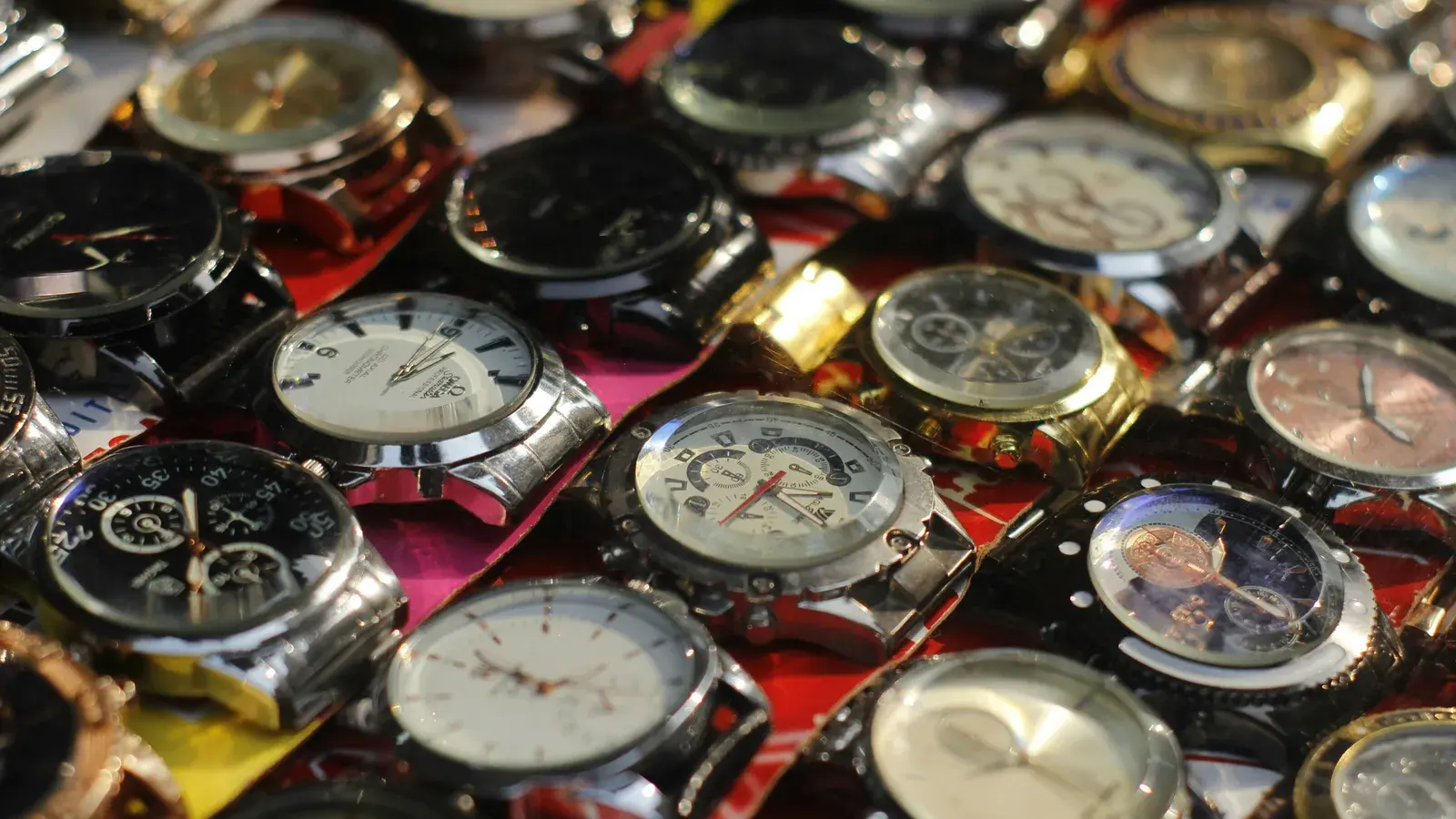
A figure deleted from this page, and why it mattered
This page used to carry a percentage range for how much a watch's original box and papers contribute to its secondary market value. It has been removed and it is not being replaced with a different one.
No source could be produced for it, and it is precisely the sort of number a reader acts on — by paying a premium for a full set, or by accepting less for a watch without one. A wide range, quoted with no market, no period, no reference and no sample behind it, is not information. It is a shape that looks like information.
The rest of this page deals with the same subject the honest way round: it tells you which costs exist between the listing price and your bank account, and how to find your own figures for each of them. It does not invent the figures.
Why the sell side is the half nobody writes
Search for watch investment and you will find brand tier lists. Holy trinity at the top, a value tier beneath, an accessible tier below that. Those pages are useful and this site has them too — which watches hold their value and which references hold value in 2026 both do that job.
What almost nobody writes is the arithmetic on the way out, and that is where an investment case is actually won or lost. A watch can appreciate on paper for a decade and still return you nothing, because the paper price is a retail asking price and you are not a retailer.
There are four deductions between the number you read in a listing and the money in your account. Every one of them is knowable in advance, and none of them appears in a tier list.
Deduction one: the spread
The spread is the gap between what a dealer will sell a watch for and what the same dealer will pay you for it. It is not a fee, it is not disclosed as a percentage, and it is the largest single cost in the whole transaction.
You can measure it yourself, today, in about fifteen minutes, and you should do it before you buy rather than after. Find your reference on a large marketplace and note the asking prices. Then request a buy-back quote for the same reference and condition from two or three dealers who buy. The difference between those two figures is the spread on your watch, in your market, this month. That is a real number about a real object, which is worth more than any published average.
What moves the spread. Liquidity, mainly. A reference that dealers are confident of reselling quickly carries a narrower spread than one they would have to sit on. Condition, completeness and whether the model is currently in demand all feed into that confidence. Selling privately compresses the spread and replaces it with your own time, your own risk of a payment dispute, and the burden of proving authenticity to a stranger. Our guide to watch platforms covers where each route sits.
The implication for a buyer is uncomfortable and worth sitting with. If you buy at a retail asking price and sell at a dealer's buying price, the watch has to appreciate by the whole spread before you are level.
Deduction two: the paperwork you either have or do not
A watch sold as a full set — the watch, its original box, its warranty or guarantee card, tags, booklets and, ideally, service records — is a different proposition to a buyer than a bare head, and it is priced differently.
We are not going to tell you by how much, for the reason in the first section. What we can tell you is the mechanism, which is what lets you judge a specific case. Papers do three things. They make authentication cheaper and faster for the next buyer. They establish a purchase date, which matters for warranty and for provenance. And they signal that the watch has had an owner who kept things, which is a weak but real proxy for how it was treated.
What papers do not do is prove authenticity. A guarantee card is a printed object and it can be paired with the wrong watch, deliberately or by accident. Treat a full set as a convenience premium and a risk reduction rather than as evidence, and check the watch itself regardless. Our separate guide to what a full set is actually worth goes through each component and what it can and cannot establish.
The practical consequence for a buyer is to keep everything from the day you take delivery, including the outer packaging, the tags and the receipt, and to store it away from the watch. It costs nothing and it is not recoverable later.
Deduction three: the running costs nobody puts on the price tag
A mechanical watch is a machine with lubricants and gaskets, and both age whether you wear it or not.
- Servicing. A full service strips, cleans, re-lubricates and reassembles the movement, replaces worn parts and gaskets, and pressure-tests the case. It is the largest recurring cost and it is not optional over a long hold. Our guide to watch servicing costs and intervals sets out what the work involves and how brand and independent routes differ.
- Insurance. A watch worn outside the house is usually not adequately covered by a standard contents policy, which tends to apply single-item limits and away-from-home exclusions. Cover is a real annual cost against the holding.
- Storage and security. A safe, or a bank facility, or an accepted level of risk. All three have a price, and the third one is the easiest to underestimate.
- Condition maintenance. Refinishing a case may make a watch look better and make it worth less, because originality carries a premium in the collector market. Polishing is not reversible.
Over a ten-year hold these add up to a real number, and the appreciation has to clear that number before it clears anything else.
Deduction four: the tax question, which we cannot answer for you
Selling a watch at a gain may be a taxable event, and how it is treated depends entirely on where you are tax resident, how long you held it, whether the authority treats it as a chattel or as an investment asset, and whether you deal frequently enough to look like a trader rather than a collector.
Those four questions have different answers in every jurisdiction and they change. We are not going to print a rate, a threshold or an exemption here, because a wrong number in this position is worse than no number: it is the one thing a reader would rely on.
What we can give you is the shape of the question to take to someone who can answer it. Is a watch treated as a chattel or a general asset where I live? Is there a value threshold below which a disposal is disregarded? Does a set count as one item or several? What can I deduct — purchase price, service invoices, selling costs? And at what point does frequent buying and selling reclassify me as trading? Ask those five questions of a qualified adviser in your own country, with your actual figures, before you plan around any of it.
Nothing on this page is financial, tax or investment advice, and no return is promised or implied.
So what does a sensible watch investment case look like?
It looks like arithmetic done in advance rather than optimism applied afterwards.
Measure the spread on your specific reference before you buy. Add a realistic estimate of servicing across your intended hold, plus insurance. Assume you will sell into a dealer's buying price rather than a marketplace asking price, unless you are certain you will do the work of a private sale. Then ask what appreciation would be required to clear all of that, and whether you find that number plausible.
If the answer is no, the watch is a purchase and not an investment, and that is a perfectly good thing for it to be. Most watches are bought because someone wanted them, and that motive has never disappointed anyone.
The counter-argument, fairly stated. There is a genuine category of reference where demand has persistently exceeded supply at retail, where the secondary market clears above list, and where a patient owner has done well. It exists. What is not true is that it is predictable in advance, or that a brand tier list identifies it, or that past behaviour of a reference obliges its future behaviour. Buy the watch you want to wear, do the arithmetic above with your eyes open, and treat any appreciation as a bonus you did not underwrite.
Gold and collectibles carry risk and prices fluctuate — nothing here is financial advice. Consider your own situation or speak to a qualified adviser.
Related Collections
Where to Buy
Co-founder & Editor, NorwegianSpark SA
Thomas Lovas Lokoy is the co-founder of NorwegianSpark SA, the Norwegian company (org. 834 984 172) that runs NordicGilt. He reviews, fact-checks and approves every article before it is published. Articles are researched and drafted with AI assistance; Thomas is responsible for what goes live. Corrections: thomaslien@norwegianspark.com.
Frequently Asked Questions
How do I find out what my watch will actually sell for?
Measure the spread yourself. Find your exact reference and condition on a large marketplace and note the asking prices, then request buy-back quotes for the same reference from two or three dealers who buy. The gap between those two figures is the real spread on your watch, in your market, this month. It takes about fifteen minutes and it is worth more than any published average, because averages are computed across references and markets that are nothing like yours.
Does selling privately get me more?
Usually yes on the headline number, because you keep the dealer's margin. What you take on in exchange is your own time, the risk of a payment dispute or a fraudulent buyer, the burden of proving authenticity to a stranger, and the possibility of holding the watch for months. Whether that trade is worth it depends on the value of the watch and how much you value your own time. For a lower-value piece it frequently is not.
Do box and papers really matter?
They matter, in that a full set is easier and cheaper for the next buyer to authenticate, establishes a purchase date and signals a careful owner. What they do not do is prove authenticity, because a card is a printed object and can be paired with the wrong watch. We are not going to quote you a percentage uplift for a full set, because the figures circulating for that have no source we can show you. Keep everything from day one regardless: it costs nothing and cannot be recovered later.
What running costs should I budget for over a long hold?
Servicing is the largest and it is not optional across a decade, because lubricants and gaskets age whether the watch is worn or not. Add insurance, since a standard household contents policy usually applies single-item limits and away-from-home exclusions to jewellery and watches. Add storage or security, and accept that refinishing a case can reduce value in the collector market even where it improves the look. Any appreciation has to clear all of that before it clears anything.
Will I owe tax when I sell a watch at a profit?
Possibly, and it depends entirely on where you are tax resident, how the disposal is classified, how long you held it and how often you deal. We will not print a rate or a threshold here, because tax treatment differs by country and changes, and a wrong figure is the one thing a reader would act on. Take five questions to a qualified adviser in your own jurisdiction: is a watch a chattel or a general asset here, is there a threshold below which a disposal is disregarded, does a set count as one item or several, what costs are deductible, and at what point does frequent dealing reclassify me as trading.
Continue Reading
watch investment
How to Start a Watch Collection: Beginner's Guide for 2026
Beginner's guide to starting a watch collection in 2026 — choosing a collecting strategy, what to buy first at each budget, where to buy, cost per wear, and how to look after what you own.
norwegian gold
Why Norway sold its gold in 2004
In Q1 2004, Norges Bank sold 33.5 tonnes of gold for USD 447 million — and never bought it back. Here is the full story, and what Norwegian gold buyers should learn from it.
gold lab
How to read a gold hallmark: the complete tutorial
A tutorial for reading the tiny stamps on gold jewellery and ingots. Covers fineness numbers (375, 585, 750, 916, 999), maker marks, assay offices, and what to do when a piece has no hallmark at all.