Watches
Watch Straps and Bracelets: The Cheapest Way to Change a Watch
By NorwegianSpark Editorial — written with AI assistance and reviewed by the NorwegianSpark SA editorial team | Last updated: August 2026
The Highest-Return Change You Can Make
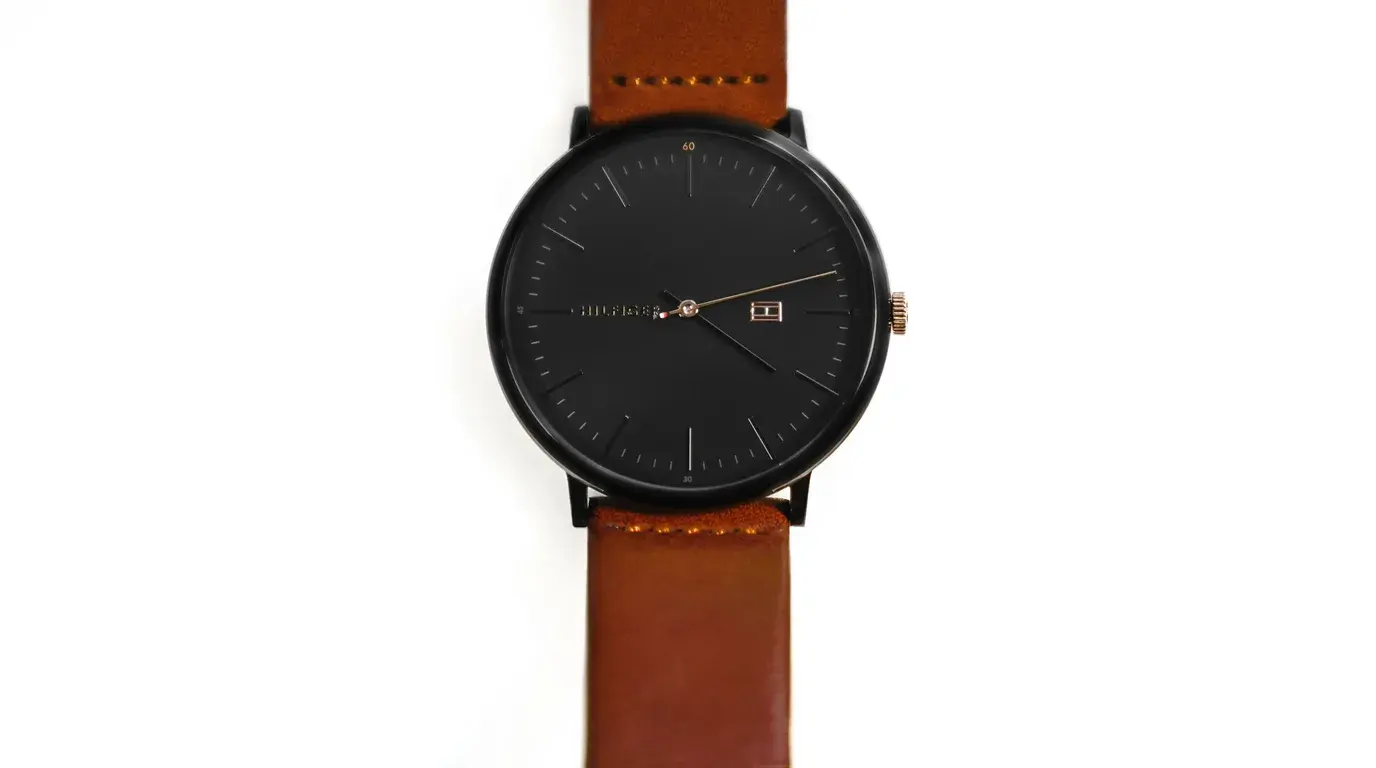
A strap change costs a small fraction of a watch and alters more about wearing it than almost anything else you could spend the money on. The same watch on a black leather strap, a steel bracelet and an olive NATO reads as three different objects — formal, substantial, casual — and the transformation takes about two minutes.
It is also the cheapest way to make a small collection feel larger, which matters if you are working within a budget. Our three-watch rotation piece covers building coverage across occasions; straps let a two-watch collection cover the ground of four.
And it fixes comfort problems that people otherwise live with. A watch that does not sit right, digs in, or slides around is usually a strap problem rather than a watch problem, and an unworn watch is a wasted purchase.
Getting the Size Right
Two measurements matter and people routinely confuse the first with case size.
Lug width is the gap between the lugs where the strap sits, measured in millimetres. It is unrelated to case diameter — a 40mm watch might take a 20mm strap or a 19mm one. Most are even numbers between 18 and 22, and odd widths exist, particularly on vintage pieces, which narrows the aftermarket considerably.
Strap length is normally quoted as two figures — the length of the twelve-o'clock side and the six-o'clock side, such as 75/115mm. Standard lengths suit most wrists; longer and shorter options exist and are worth seeking out if the buckle sits noticeably off-centre or the tail is too short to tuck.
Taper is the third number and gets ignored. A strap described as 20/16 is 20mm at the lugs and 16mm at the buckle. More taper looks dressier; a straight strap looks sportier and more substantial.
One structural caveat: integrated bracelet designs, where the bracelet forms part of the case shape, usually accept nothing but their own manufacturer's straps. If a watch's lugs are shaped to meet the bracelet rather than being a simple gap, check before buying anything.
The Materials, and How They Actually Behave
Leather is the default dress option and covers enormous quality range. Full-grain calf is the sensible middle. Shell cordovan is dense, glossy and expensive, and resists creasing. Exotic leathers carry both a price and, in some cases, import restrictions that make crossing borders complicated. What matters practically is the lining — a leather-lined strap breathes and ages well; a strap lined with synthetic material traps moisture and fails faster. Leather is the wrong choice for perspiration and water, and it will eventually smell if used that way.
Rubber and FKM are the most practical materials made. Genuinely waterproof, comfortable across a wide temperature range, easy to clean, and available now in finishes far beyond the dive-watch look. FKM is a fluoroelastomer with better resistance to heat, chemicals and ageing than standard rubber, and it does not attract dust the way silicone does.
Steel bracelets add weight and formality and are usually the most expensive option. The quality markers are solid rather than folded end links, solid links throughout, screwed rather than pin-and-collar links, and a clasp with micro-adjustment. Micro-adjust matters more than people expect: wrists change size through the day and with temperature, and a bracelet that can only be sized in whole links is either slightly tight or slightly loose most of the time.
NATO and single-pass straps are nylon straps that thread beneath the case. Their real advantage is safety — the watch remains attached even if one spring bar fails — and they are cheap, washable and endlessly variable. They add height to the watch on the wrist, which suits some cases and ruins others.
Textile, canvas and perlon sit between NATO and leather in formality, and perlon in particular offers infinite adjustment because the buckle pin passes through the weave anywhere.
Spring Bars, Tools and Not Scratching the Case
Changing a strap is easy and the two things that go wrong are both avoidable.
You need a spring bar tool with a forked end and a pin end. They cost very little. Do not use a knife or a screwdriver, which is how lugs get scratched.
The forked end engages the spring bar's shoulder inside the lug, compresses it, and the strap comes free. Working over a soft cloth means a bar that flies out is recoverable rather than lost, and a slip does not gouge the case.
Quick-release bars have a small lever you pull with a fingernail, removing the tool step entirely. Many modern watches ship with them and aftermarket straps increasingly include them. They are a genuine convenience and the retention mechanism is the same spring as a conventional bar.
Replace spring bars periodically. They are a consumable. The spring weakens, the tips wear, and a failure means the watch falls off. Buy a small assortment in your lug widths and change them when you change straps — thicker 1.8mm or 2.0mm bars are worth using on heavier watches. If you wear a watch in demanding conditions, this is the single cheapest risk reduction available.
On drilled lugs — where holes pass through the lug from outside — strap changes are far easier because the tool goes in from the side. Some collectors specifically seek watches with them. Drilling lugs that were not made that way is permanent modification and reduces value, as our vintage guide explains.
Matching Strap to Watch
A few conventions are worth knowing, mostly so you can break them deliberately.
Formality follows material and colour. Dark, smooth, tapered leather is the dressiest. Textured leather, canvas and NATO are casual. Steel sits in the middle and leans formal on a slim case, sporty on a thick one.
Match the buckle metal to the case. A steel buckle on a gold watch is the most common unforced error.
Leather colour does not have to match shoes, despite the received wisdom, but coordinating brown-with-brown and black-with-black is a reliable default that never looks wrong.
Consider case thickness. A NATO adds a few millimetres of height. On an already thick diver that can make the watch top-heavy and prone to catching on cuffs; on a slim field watch it is ideal.
Consider lug shape. Straight lugs accept almost anything. Strongly curved lugs need a strap with a fitted, curved end or there will be a visible gap.
Watches on simple, well-proportioned cases with standard lug widths are the most rewarding to play with — which is one of several practical reasons that brands like Hamilton and Certina, available through First Class Watches, make good foundations for a collection. A watch you can transform for the price of a meal is a watch you will wear.
Keeping Them Alive
Leather: keep it dry, rotate rather than wearing one strap daily, and let it air between wears. Wipe perspiration off after use. Occasional leather conditioner helps; saturating it does not. Accept that a daily-worn leather strap is a consumable measured in months, not years.
Rubber and FKM: rinse in fresh water after swimming, particularly in salt or chlorine. Wash occasionally with mild soap. Keep out of prolonged direct sunlight, which degrades most elastomers.
Steel: clean with a soft brush and warm soapy water, paying attention to the clasp and the gaps between links where skin oils and debris accumulate. Dry thoroughly. Check screwed links occasionally, as they can loosen.
NATO and textile: machine washable in a laundry bag, which is one of their better features.
And keep the original. Whatever the watch came on, store it clean and dry in a box, because on the day you sell, it is part of what you are selling.
Related Collections
Where to Buy
Frequently Asked Questions
How do I find my watch's lug width?
Measure the gap between the lugs — the two projections the strap sits between — in millimetres, not the width of the case. Most watches use an even number, commonly between 18mm and 22mm. A cheap digital caliper measures it precisely; a ruler will get you close enough to identify an even number. Be aware that some watches, particularly integrated-bracelet designs, use a proprietary shaped end that only the manufacturer's own strap will fit.
Are quick-release spring bars safe?
For everyday wear, yes. A quick-release bar has a small lever that retracts the spring-loaded pin, letting you change straps without tools, and the retention is the same spring mechanism as a conventional bar. The caution is for hard use — diving, contact sport, anything where a knock could catch the lever — where a solid conventional bar, ideally a thicker one, is the safer choice. Whichever you use, replace spring bars periodically; they are a wear item and a broken one means a watch on the floor.
Does changing the strap hurt resale value?
Not if you keep the original. The strap or bracelet the watch was sold on is part of the package for a buyer, and a watch offered without it is worth less. So change the strap freely, but store the original carefully and include it when you sell. The exception is drilling lug holes or otherwise modifying the case to fit something — that is permanent and does reduce value.
Which strap is best for hot weather or swimming?
Rubber or a synthetic such as FKM, without question. Leather absorbs perspiration and water, which breaks down the fibres and produces both a smell and eventual failure. Steel is fine in water but can feel unpleasant against skin in heat. A good rubber strap is comfortable, entirely waterproof, and rinses clean. It is also the least expensive way to make a watch genuinely usable in summer.
Continue Reading
watches
Watch Box and Papers: How Little Do They Really Matter?
A full set is easier to sell and it is not proof of anything. What each component establishes, what it cannot, and why every percentage figure you have read about it is unsourced.
watches
Luxury Watches That Hold Value in 2026: Rolex, Patek, AP
Secondary-market value retention for Rolex, Patek Philippe and Audemars Piguet, plus Tudor, Omega and Grand Seiko, and how to buy to protect resale.
gold silver
How Many Grams Are in a Troy Ounce of Anything?
A troy ounce is not the ounce in your kitchen, and it is not a gold-only unit. The statutory conversions, the tola and tael you will meet buying abroad, and the one habit that makes any two quotes comparable.