Tutorial — guides
How to Wind and Set an Automatic Watch Without Damaging It
By NorwegianSpark Editorial — written with AI assistance and reviewed by the NorwegianSpark SA editorial team | Last updated: September 2026
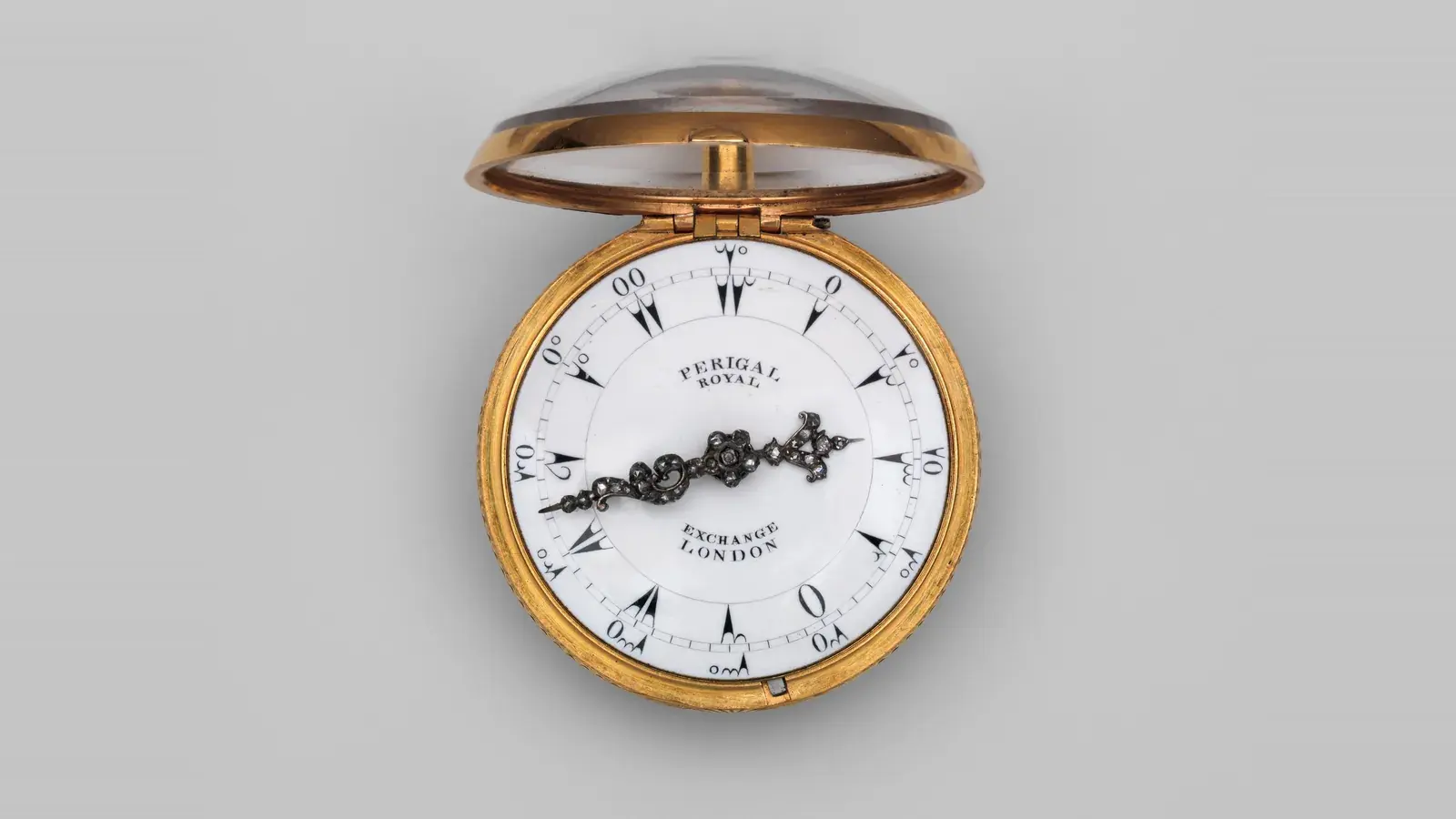
How an Automatic Actually Works
Understanding this makes every instruction below obvious rather than arbitrary.
Inside the watch is a coiled mainspring that stores energy. As it unwinds it drives a gear train, regulated by an escapement and a balance wheel oscillating at a fixed rate, which is what turns stored energy into accurate timekeeping.
What makes it automatic is a weighted rotor that pivots freely as your wrist moves, winding the mainspring through a reduction gear. Wear the watch, and it winds itself.
The mainspring is attached to its barrel through a slipping bridle rather than fixed rigidly. When the spring is fully wound, the bridle slips, which is why a rotor cannot overwind a healthy automatic.
Two consequences follow. A watch left off the wrist will stop when the reserve runs out — that is normal, not a fault. And a watch worn intermittently or by someone sedentary may never reach full wind, which shows up as poor timekeeping, because a mainspring near the end of its wind delivers uneven torque.
That second point is the most common cause of a new owner thinking their watch is inaccurate when it is simply underwound.
Step 1: Starting a Watch That Has Stopped
Do not shake it. Shaking a watch to start it spins the rotor far faster than wrist motion ever does and stresses the automatic works. It is the single most common piece of bad advice about mechanical watches.
The correct sequence:
- If the crown screws down — you will know because it will not pull out until unscrewed — turn it anticlockwise until it releases and pops out slightly.
- With the crown in its innermost position, turn it clockwise roughly 20 to 30 times. On an automatic you may not feel a definite stop; the resistance simply changes as the bridle begins to slip.
- The seconds hand should start moving.
- Set the date and time (next two sections).
- Push the crown back in, and screw it down if applicable.
- Wear it. Normal daily movement keeps it wound from there.
If it will not start after winding, the movement needs attention rather than persistence — see our servicing guide.
Hand-winding a watch you wear daily is unnecessary and, done every day for years, adds wear to the keyless works. Wind it when it has stopped, not as a ritual.
Step 2: Setting the Date, and the Danger Zone
This is where watches get broken, and the fix is one habit.
The date mechanism does not flip instantly at midnight. It engages gradually over several hours, gears meshing progressively until the change completes. On many movements that engagement runs from roughly 9pm through to about 3am, though it varies by calibre.
Forcing the date forward via the quickset while those gears are engaged can chip or break the teeth. The repair is a workshop job.
The safe procedure, every time:
- Unscrew the crown if necessary.
- Pull the crown to its furthest position, which sets the hands.
- Turn the hands until the watch reads roughly 6 o'clock. This is comfortably outside any movement's danger zone.
- Push the crown to the middle position, which is the date quickset on most watches.
- Turn to advance the date. Set it to yesterday's date.
- Return the crown to the furthest position and advance the hands forward through 12 until the date flips to today. You now know 12 was midnight rather than noon.
- Continue forward to the correct time.
- Push the crown home and screw it down.
Step 6 solves the AM/PM problem that otherwise leaves the date changing at noon for as long as you own the watch.
On a watch with no quickset — many vintage pieces — the only method is advancing the hands repeatedly through 24-hour cycles. Tedious, and it is why quickset was such a welcome invention.
Step 3: Setting the Time Precisely
Hacking. Many movements stop the seconds hand when the crown is pulled fully out, letting you synchronise exactly. If yours hacks, pull the crown out, wait for a reference source to reach the top of a minute, then push the crown in on the mark.
If it does not hack, set to the nearest minute and accept the offset.
Which direction. Advancing the hands clockwise is always safe. Turning backwards is generally tolerated by modern movements but is best avoided across the date-change zone, and on some vintage and complicated movements it can cause problems. Forward is the habit worth having.
Complications need care. A day-date needs both set, often at different crown positions. A GMT hand may set independently or jump in hour increments. A moonphase should be set with the same danger-zone caution as a date. An annual or perpetual calendar has procedures specific to the movement — read the manual, and if the watch has stopped for a long time, consider letting the boutique reset it rather than working through a complex sequence yourself.
Then screw the crown down if it is a screw-down type. A crown left unscrewed is the most common cause of water ingress on a watch rated for swimming, and water inside the case is the expensive kind of damage.
Step 4: Living With It
Accuracy expectations. A mechanical watch is not a quartz watch. Manufacturers specify a daily rate in seconds per day, commonly a range of several seconds either way, with chronometer-certified movements held to a tighter specification. A few seconds a day is normal and is not a fault. Consistency matters more than magnitude — a watch reliably five seconds fast can be regulated; one that varies wildly cannot.
Position affects rate. Movements run at slightly different rates in different orientations. If your watch runs fast overnight, try leaving it dial-up or crown-down instead and see whether it improves. This is free regulation.
Magnetism is the most common cause of a sudden dramatic gain — a watch running minutes fast per day has usually been magnetised by a laptop speaker, a tablet cover or a handbag clasp. A jeweller can demagnetise it in seconds, often free.
Winding when idle. If a watch has sat for weeks, hand-wind it before wearing rather than expecting the rotor to catch up.
Rotating a collection. Watches sitting unworn for long periods are not ideal either, as oils settle. Wearing each piece occasionally is better than leaving one untouched for years — our collection guide covers building a rotation you actually use.
Water. Check the rating, screw the crown down, and remember that gaskets age. Water resistance is a maintenance item, not a permanent property.
None of this is difficult, and a watch treated this way from the start will need less work over its life. For a first automatic, brands like Tissot and Hamilton — both stocked by First Class Watches — offer proper automatic movements, sold new through an authorised dealer with the manufacturer's warranty, which is the right foundation to learn on; ask who can service the specific calibre before you buy.
Related Collections
Where to Buy
Frequently Asked Questions
Can you overwind an automatic watch?
Not by hand-winding a healthy modern automatic. The mainspring is fitted with a slipping bridle that lets it slip once fully wound, which is what stops the rotor overwinding it during normal wear. What you can do is damage the winding mechanism by forcing the crown against resistance, or wear the keyless works by winding excessively every day. Wind until you feel the resistance change and then stop.
What is the date-change danger zone?
The period when the movement's date mechanism is engaged and beginning to advance, roughly from about 9pm to 3am on many movements though it varies. Changing the date via the crown while those gears are engaged can chip or break teeth, and it is one of the most common causes of avoidable repair bills. The safe habit is to move the hands to somewhere around 6 o'clock before setting the date, every time.
Do I need a watch winder?
For most people, no. A winder keeps an automatic running while it is off the wrist, which is genuinely useful for a perpetual calendar or annual calendar that is tedious to reset, and largely unnecessary otherwise. The argument that constant motion is better for the movement is not well supported — it simply accumulates wear on a watch nobody is wearing. A cheap winder with a poor motor can also introduce magnetism.
How long should the watch run when fully wound?
Whatever the manufacturer states as its power reserve, commonly between about 38 and 80 hours on modern movements. If a fully wound watch stops well short of its stated reserve, that is one of the clearest signs it needs servicing — the mainspring or the going train is not delivering power efficiently any more. Note the number when you buy it so you have a baseline to compare against later.