Tutorial — Watch Investment
How to Start a Watch Collection: Step-by-Step Guide
By Thomas Lovas Lokoy — researched and drafted with AI, then reviewed, fact-checked and approved by Thomas Lovas Lokoy (editorial policy) | Last updated: April 2026
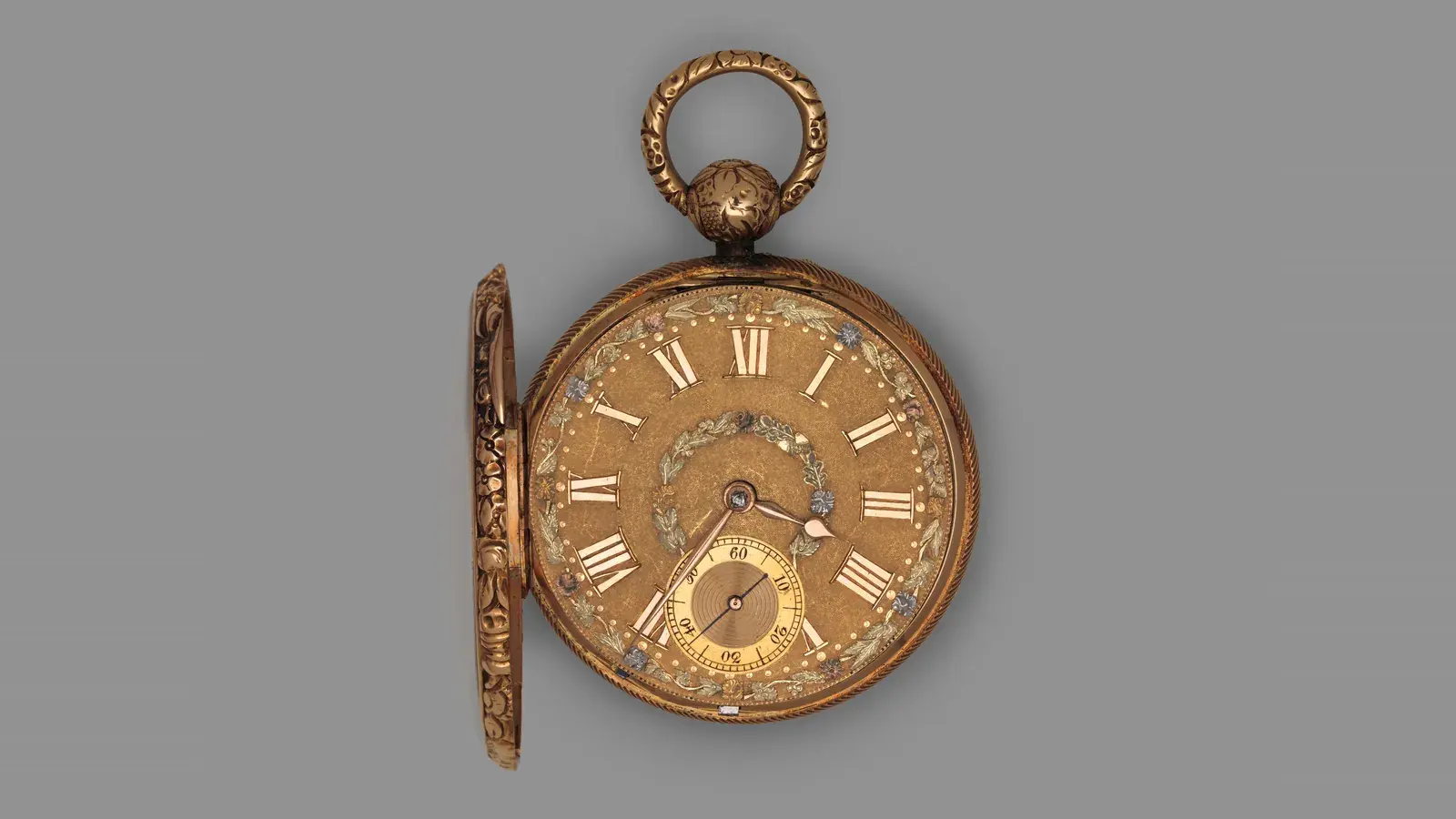
Steps 1–3: Define, Budget, Research
Step 1: Define what attracts you to watches. Before spending anything, understand your motivation. Mechanical engineering? Heritage? Aesthetic? Investment? Spend one month reading before buying — Hodinkee, WatchTime, and Revolution Magazine are the best English-language references.
Step 2: Set a realistic entry budget. First watch recommendation: $200–500. This range accesses genuine mechanical watches from Seiko, Orient, Citizen without committing significant capital. Resist stretching into premium territory immediately.
Step 3: Research your first target reference. Pick one watch — not a brand, a specific reference. Learn everything: movement specs, case dimensions, production history, variants, common issues, secondary market prices. Good first references: Seiko SRPD series, Orient Bambino, Tissot PRX Powermatic 80, Hamilton Khaki Field.
Step 4: Consider Watch Gang for Exposure
Watch Gang's subscription model gives access to a range of watches at different price points. Many serious collectors cite their Watch Gang period as where they learned what they genuinely liked. The variety of brands and styles you encounter through a subscription accelerates the learning curve significantly.
Steps 5–6: Source and Authenticate
Step 5: Source your first watch. (a) Authorised dealer: full warranty, retail price — best for entry-level pieces. (b) Grey market: new watches below retail — verify dealer reputation. (c) Pre-owned platforms: Chrono24 for authenticated pre-owned, DHgate for accessories and lower-risk pieces. Avoid private eBay sales for your first purchase.
Step 6: Authenticate before paying (pre-owned). Verify serial number with manufacturer. Inspect movement if caseback is exhibition. Verify weight. Check cyclops magnification on date displays. Ask for original box and papers.
Steps 7–10: Wear, Build, Document, Connect
Step 7: Wear it every day for three months. The most reliable test of whether a watch is right for you. If you stop reaching for it, it is not the right watch.
Step 8: Build intentionally. Your second purchase should answer a question your first watch raised. A dress watch if your first was sporty? A chronograph?
Step 9: Keep all documentation. Box, papers, receipts, service records — from the first purchase. Complete, documented watches are generally easier to sell and can command more than incomplete ones; how much more depends on the reference, so check completed sales for your own model.
Step 10: Connect with the community. Local watch groups, online forums, and brand-specific communities accelerate your education dramatically.
Step 11: Understand the Running Costs Before the Third Purchase
A collection is not a series of one-off purchases. Each mechanical watch you add brings an ongoing cost, and the point at which people notice is usually the point at which two or three come due at once.
Servicing is the main one. A mechanical movement needs periodic attention, and the bill is a meaningful fraction of a modest watch's price. Our servicing guide sets out what the work involves and how brand service centres differ from independents.
Insurance rises with the collection's value, and most household policies need pieces specified individually above a single-article limit.
Straps are a running cost on anything worn on leather, which is a consumable measured in months of daily wear.
Storage is trivial for three watches and less so for fifteen.
The practical implication: budget for the collection rather than for each watch. A rough working assumption is that each mechanical watch in regular rotation carries an annualised running cost, and three watches carry three of them. That is not an argument against collecting; it is an argument for buying the third watch with the maintenance of the first two already accounted for.
It is also a strong argument for buying with service history, which pushes the first bill years out — our pre-owned guide covers what to ask for.
Step 12: Build for Coverage, Not for Category
Collections drift toward duplication because people buy what they already like. The corrective is to think in terms of occasions rather than types.
A collection of three that covers almost everything looks roughly like: something you can wear to anything formal, slim enough for a cuff; something robust you can wear on holiday, in water, and without thinking; and something in between for ordinary days.
What that does not mean is one of each canonical category. Two divers cover one occasion between them, however different they look on the wrist.
The useful test before buying: what does this let me do that I currently cannot? If the honest answer is nothing, the purchase is about wanting the object, which is a perfectly good reason as long as it is not disguised as filling a gap.
Our guide to a three-watch rotation works through a specific version of this, and the straps guide covers how much coverage a single watch can pick up for very little money — a strap change often does the job that a fourth watch was going to.
Step 13: Learn to Read a Listing Before You Trust a Seller
Most of a collector's diligence happens before contact, in reading what a listing does and does not say.
Photographs. A serious seller shows the dial straight on and under magnification, the case from above and from the side, the caseback, the movement, the serial, and the space between the lugs. Soft, evenly lit, wide-angle photographs flatter poor condition; ask for more.
Language. "Original" should mean fitted at the factory. It is frequently used to mean "genuine", as in genuinely made by the brand at some point. Ask which is meant. "Serviced" without a date and an invoice means very little.
Silences. No mention of service history, no photograph of the caseback, no serial number — each absence is information.
Condition of the case edges. This is the fastest read on whether a watch has been polished, and polishing is irreversible. Our vintage guide covers how to judge it.
Papers. Useful and not decisive. Papers are easier to fake or mismatch than a watch is, so they should confirm what the watch already tells you rather than substitute for examining it.
And buy the seller. A dealer with a return policy, a public reputation and a habit of photographing flaws is worth a premium over an anonymous listing at a lower price, every time.
Step 14: Keep the Collection Documented and Insurable
This is the step most collectors do last and should do first, because it is worthless applied retrospectively after a loss.
For every watch: photograph the serial number between the lugs and on the caseback, photograph the dial and case from several angles, scan the papers and the service invoices, and record what you paid and when.
The serial number photograph is the single most valuable image, because it is what allows a stolen watch to be identified when it resurfaces. Our photography guide covers the full shot list and how to shoot marks with a loupe over a phone lens.
On insurance: check the single-article limit on your household policy, and check whether cover extends away from the home, which for a watch is where it spends its life. Anything above the limit needs specifying with a valuation.
Store the archive in two places, one of which is not the building the watches are in. A fire or burglary that takes the collection frequently takes the computer.
And keep the boxes and papers together with the record. They are part of what you will eventually sell.
Where to Buy
Co-founder & Editor, NorwegianSpark SA
Thomas Lovas Lokoy is the co-founder of NorwegianSpark SA, the Norwegian company (org. 834 984 172) that runs NordicGilt. He reviews, fact-checks and approves every article before it is published. Articles are researched and drafted with AI assistance; Thomas is responsible for what goes live. Corrections: thomaslien@norwegianspark.com.
Frequently Asked Questions
How much should I spend on my first watch?
$200–500. This range accesses genuine mechanical watches from Seiko, Orient, and Citizen without committing significant capital.
What is the best first mechanical watch?
Seiko SRPD series or Orient Bambino — both offer excellent mechanical movements at accessible prices with strong community support.
Should I buy from an authorised dealer or grey market?
For entry-level pieces, authorised dealers provide full warranty. Above $1,000, grey market can offer significant savings — verify dealer reputation carefully.
How do I build a collection without overspending?
Watch Gang subscriptions provide curated exposure to different brands. Set a monthly budget and stick to it. Quality over quantity.
How many watches should a starter collection have?
Three covers almost every occasion most people encounter — something formal, something robust, and something in between. Beyond that, additions are about wanting the object rather than filling a gap, which is a legitimate reason as long as it is recognised as one. A useful test before any purchase is to ask what this watch lets you do that you currently cannot.
Should I buy new or pre-owned for a first serious watch?
Pre-owned, in most cases. The first owner has absorbed the drop from retail to market price, and a watch with documented recent service history pushes the next major running cost years into the future. Buy from an established dealer with a return policy rather than privately for a first purchase, and treat the dealer warranty as part of what you are paying for.