Jewellery
Is Gold Jewellery a Good Investment? What Holds Value
By Thomas Lovas Lokoy — researched and drafted with AI, then reviewed, fact-checked and approved by Thomas Lovas Lokoy (editorial policy) | Last updated: October 2026
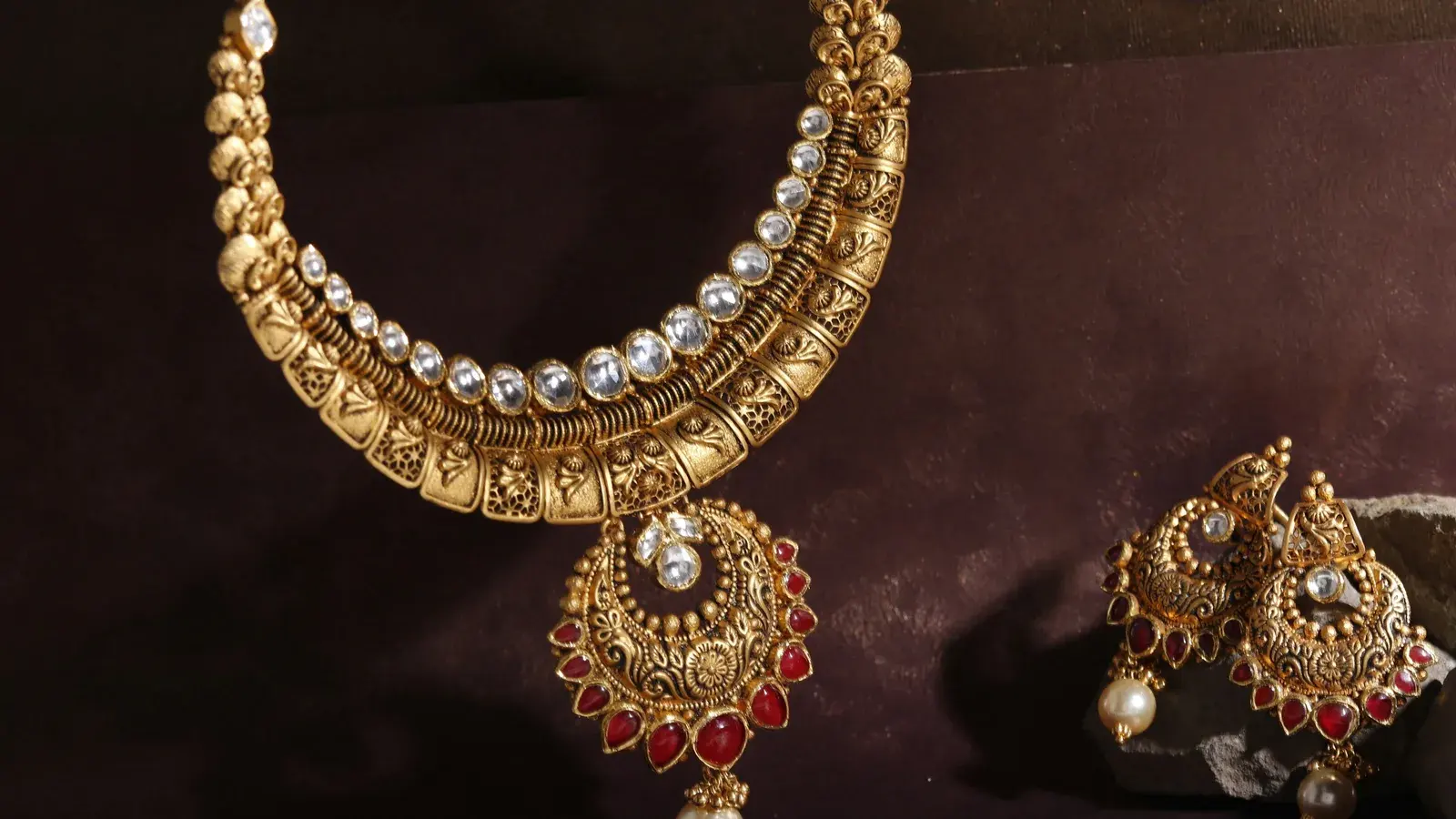
The Short Answer
Gold jewellery is a wearable store of value only in part. The gold in it keeps its value with the gold price; the design, craftsmanship, brand, retail margin and tax you paid on top usually do not come back when you sell. Most jewellery therefore resells at or below the value of its metal. A minority of pieces — signed designs from houses with strong secondary demand, in good condition with their documentation — can resell for more than their gold content, sometimes much more, but that is a judgement about the specific piece, not a property of gold jewellery.
So buy jewellery to wear, and know its metal value so you know the floor. This guide shows how to calculate that value, why the gap between buying and selling is so wide, what separates the pieces that hold more, and how to buy with resale in mind. For pure gold-price exposure, bullion is the efficient route, as our jewellery versus bullion comparison explains.
How to Calculate the Gold Value of a Piece
Weight × fineness × spot price per gram gives the value of the gold a piece contains. The fineness comes from the hallmark, in parts per thousand:
| Karat | Fineness mark | Fine gold in a 20 g piece |
|---|---|---|
| 24 ct | 999 | 19.98 g |
| 22 ct | 916 (916.6) | 18.33 g |
| 18 ct | 750 | 15.00 g |
| 14 ct | 585 | 11.70 g |
| 9 ct | 375 | 7.50 g |
The fineness figures are the UK’s legal standards for gold (999, 990, 916.6, 750, 585 and 375). A worked example with an illustrative spot price of 100 per gram: a 20 g 18 ct bracelet holds 15 g of fine gold, worth 1,500. A dealer buying it for scrap will pay less than that, because refining costs money and they need a margin. If the same bracelet cost 4,000 new, the 2,500 difference is the design, labour, brand, margin and tax — the part that is unlikely to come back. Our gold purity guide explains the marks, and our hallmarks guide how to read them.
Why Most Jewellery Resells Near Scrap
A retail jewellery price is built for a finished object: metal, design, the maker’s labour, the brand, the shop and tax. A resale, for most pieces, is built for the metal alone, because the buyer is a dealer who will either melt it or has to resell it with a margin of their own. That structural gap is why a piece can be genuinely valuable and still sell for far less than it cost — our explainer on why jewellery loses more than bullion works through it in detail.
The gap is smallest for heavy, high-karat, plain pieces, where the metal is most of the price; it is largest for light, low-karat, heavily designed pieces, where it is not. That is the first rule of buying jewellery with value in mind: the more of the price is gold, the more of it you keep.
Which Pieces Can Hold More Than Their Metal
A small group of pieces resells above its gold content, and they share four traits:
- A recognised maker whose pieces have an active secondary market, so a buyer pays for the design as well as the metal.
- A design with lasting demand rather than a seasonal trend; iconic, continuously made designs are easier to resell than one-season pieces.
- Condition and originality — unrepaired, unresized where possible, with original stones and clasps.
- Documentation — box, certificate and receipt, which prove authenticity and make a buyer’s decision easier.
Even then, check completed sales for the exact model and condition in the market you would sell into before treating resale as part of the case. Gold watches from the great houses are a related category, where metal content, brand and movement combine; our best gold watches guide covers them.
How to Buy With Value in Mind
- Know the floor. Weigh the piece, read the hallmark and calculate its gold value before you look at the price tag.
- Prefer gold-heavy pieces if value matters: higher karat, more weight, simpler design.
- Buy hallmarked. A hallmark from an independent assay office is the best guarantee that the fineness is what it says; our hallmarks guide explains what to look for.
- Keep everything. Box, certificate, receipt and any service records support a future sale.
- Consider pre-owned. Buying second-hand puts the first, largest loss on the previous owner.
And separate the two decisions. If the goal is to own gold, buy bullion, which is priced close to its metal content; if the goal is a piece to wear, buy the one you love and treat its metal value as a floor, not a forecast. The World Gold Council recorded a 44 percent rise in the average gold price in 2025 — gold-heavy jewellery shared in that, but prices fall as well as rise.
Related Collections
Where to Buy
Sources
Co-founder & Editor, NorwegianSpark SA
Thomas Lovas Lokoy is the co-founder of NorwegianSpark SA, the Norwegian company (org. 834 984 172) that runs NordicGilt. He reviews, fact-checks and approves every article before it is published. Articles are researched and drafted with AI assistance; Thomas is responsible for what goes live. Corrections: thomaslien@norwegianspark.com.
Frequently Asked Questions
Does gold jewellery hold its value?
Its gold content does; the rest of the price usually does not. When you buy jewellery you pay for metal plus design, craftsmanship, brand, retail margin and tax, but a typical resale values only the metal, at a discount to the spot price. Pieces from sought-after makers with strong secondary demand can resell above their metal value, but that is a property of the specific piece and its market, not of gold jewellery in general.
How do I work out the gold value of a piece of jewellery?
Multiply its weight by its fineness, then by the spot price per gram. An 18 ct piece is 750 parts per thousand gold, so a 20 g 18 ct bracelet contains 15 g of fine gold; at a spot price of, say, 100 per gram, the gold in it is worth 1,500 before any dealer’s margin. Weigh the piece on an accurate scale and use the hallmark’s fineness figure rather than the seller’s description.
What karat is best if I care about value?
Higher fineness means more gold per gram: 22 ct is 916.6 parts per thousand, 18 ct is 750, 14 ct is 585 and 9 ct is 375, the UK’s legal standards. Higher-karat pieces are softer and wear faster, so 18 ct is the usual balance for rings and bracelets worn daily. Below 14 ct a piece is valued mostly on design, because there is little gold in it.
Is jewellery better than gold bullion as an investment?
For pure exposure to the gold price, no: bullion is priced close to its metal content, while jewellery carries design and retail costs you will not get back on resale. Jewellery earns its place because you can wear it; buy bullion for the gold, jewellery for the piece.
Continue Reading
jewellery
Gold Jewellery Hallmarks Explained: How to Read Them
A practical guide to UK, EU and international gold hallmarks, and how to verify any piece you buy.
jewellery
How to Care for Gold Jewellery: Cleaning & Storage
Keep your gold jewellery looking its best: what damages it, how to clean it, and what to never do.
jewellery
Gold Purity Explained: 9k, 14k, 18k, 22k, 24k
Understand karat grades, hallmarks, and which gold purity suits jewellery, watches and investment.