Jewellery
Why Gold Jewellery Loses More Than Gold Bars
By NorwegianSpark Editorial — written with AI assistance and reviewed by the NorwegianSpark SA editorial team | Last updated: 2026-08-08
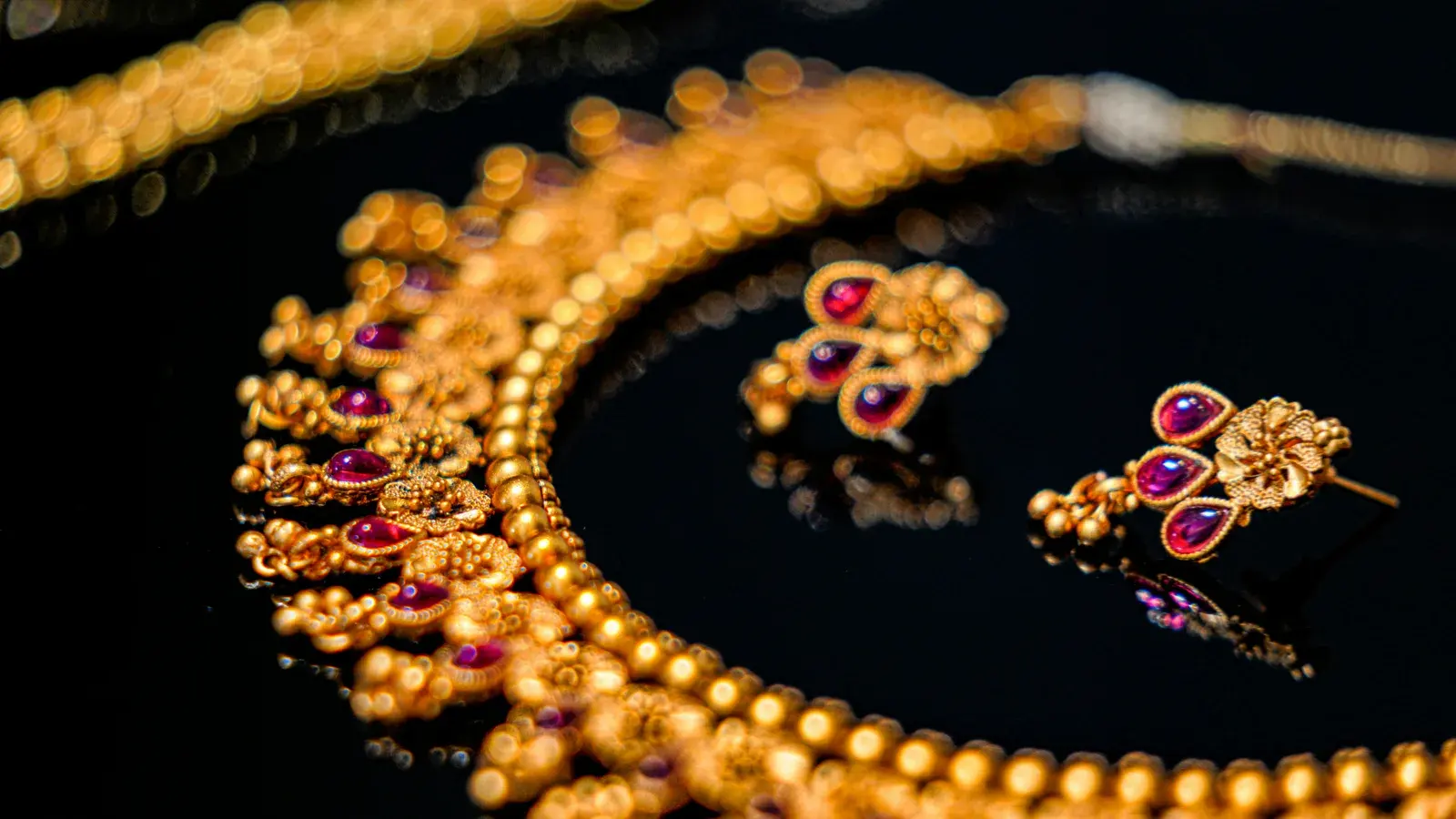
Two different transactions
When jewellery is bought, it is priced as a finished object: design, craftsmanship, brand, the retail environment, and tax. When it is sold to a trade buyer it is usually priced as raw material — gold content, at a discount to spot, minus refining.
The workmanship does not vanish. It simply is not what the second transaction is buying, and no amount of quality changes that if the exit is a scrap counter.
Where the money actually went
Metal content, which is the only part reliably recoverable.
Craftsmanship, real and often considerable, but rarely paid for twice.
Brand, which retains value only where a secondary market for that house genuinely exists.
Retail overhead and tax, which are gone at the moment of purchase.
Understanding that split is the whole of the topic — see gold jewellery as investment for the longer treatment.
The exceptions, honestly stated
A minority of jewellery trades as an object rather than as metal: pieces from houses with active secondary demand, pieces with significant stones, and pieces with documented provenance.
These are the exception and they behave like collectibles rather than like bullion — meaning condition, papers and completeness matter enormously. Our jewellery authentication guide covers the checks that market expects.
How to buy either way without confusing them
Buy jewellery because you want to wear it, and treat the metal content as a floor rather than as the point. Buy bullion because you want metal exposure, and accept that it is dull to own.
The expensive mistake is buying the first while telling yourself it is the second. If the purpose is the metal, part one explains how to pay the least for it.
Related Collections
Frequently Asked Questions
Why is gold jewellery worth so much less than I paid?
Because the purchase price includes design, craftsmanship, brand, retail margin and tax, while a typical resale values only the metal content at a discount to spot. The workmanship is real but it is rarely paid for twice.
Does any jewellery hold its value?
Some does — pieces from houses with strong secondary demand, and pieces with significant gemstones or provenance can trade as objects rather than as scrap. That is a much smaller category than most buyers assume.
Is lower-carat gold a worse store of value?
It contains proportionally less gold, so its metal value is lower for the same weight. Whether that matters depends on whether you are buying it to wear or to hold, which are different purchases.
Continue Reading
jewellery
Insuring Gold at Home: the Valuation Nobody Updates
Standard home contents cover rarely handles precious metals well, and an out-of-date valuation is a common reason a claim disappoints. What insurers actually ask for.
jewellery
Engagement Ring Buying Guide 2026
The 4Cs, metal choice, lab-grown vs natural, certification — the engagement-ring decision is full of jargon. Here's the calm, practical version.
gold silver
What You Actually Get Back When You Sell
Part 3 of 3. Buying is quoted, selling is negotiated. What determines the offer you receive, why the two ends of the spread are not symmetrical, and how to sell without giving the gap away twice.