Gold & Silver
What You Actually Get Back When You Sell
By NorwegianSpark Editorial — written with AI assistance and reviewed by the NorwegianSpark SA editorial team | Last updated: 2026-08-08
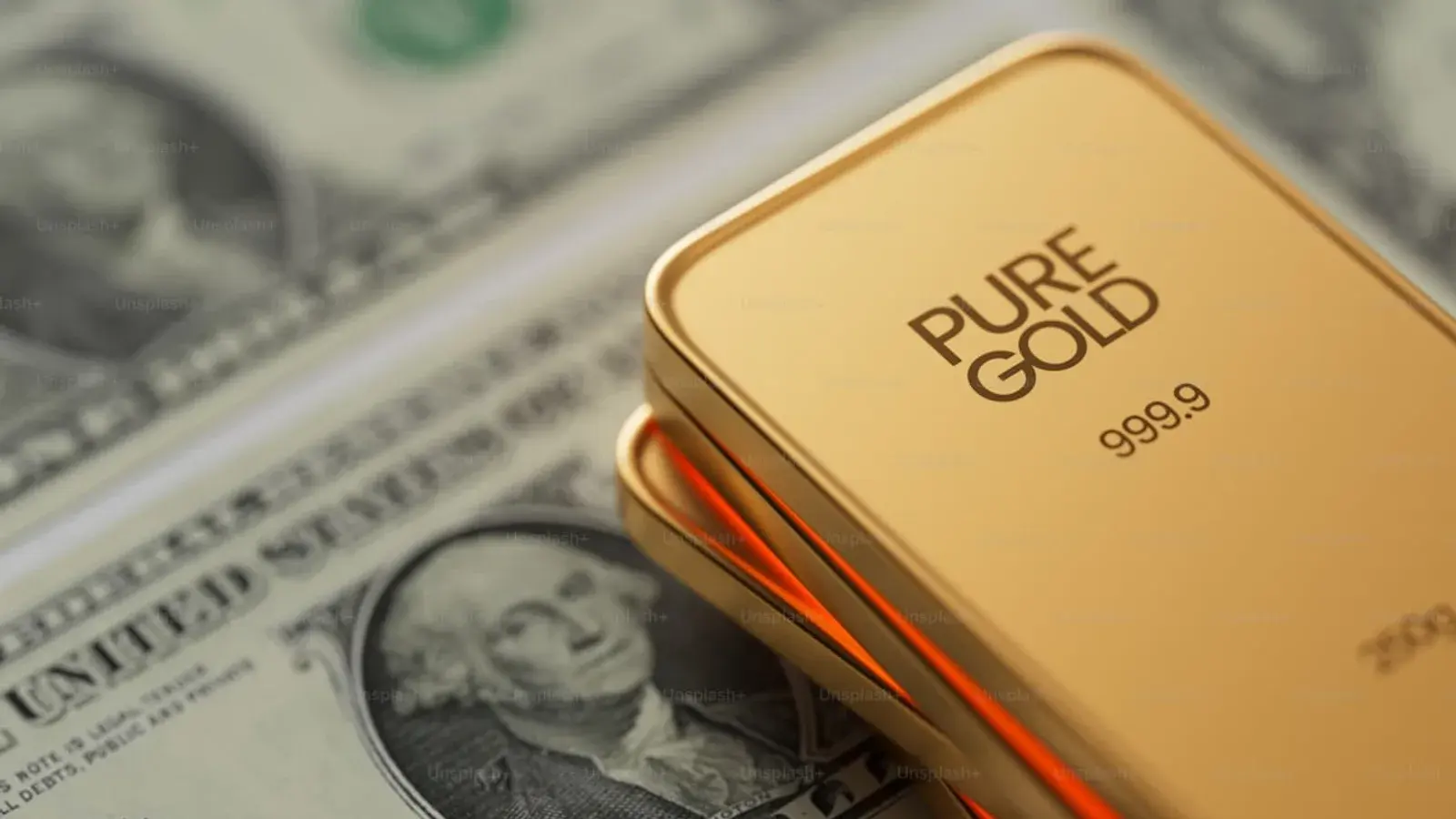
Why the two ends are not symmetrical
The buy price is advertised and competed on. The sell price is quoted to you individually, often without a comparison in the room, and reflects the buyer's own risk: how quickly they can move the item, how certain they are of what it is, and what it costs them to verify.
That asymmetry is not sharp practice. It is why the exit deserves as much preparation as the entry, and gets almost none.
What actually determines the offer
How recognisable the product is. Common sovereign coins and major-refiner bars price instantly. Obscure products require assessment, and assessment is priced in.
Whether it can be verified quickly. Intact assay packaging, matching serial numbers, and clear hallmarks all shorten the process.
Condition and completeness, which matter more for collectible coins than for plain bullion.
Who is buying. A specialist dealer, a refiner and a pawnbroker are three different markets with three different offers for the same object.
Selling without giving the gap away twice
Get more than one quote, in writing, on the same day — metal moves, and a quote without a date is not comparable to anything.
Sell like for like: intact packaging where you have it, hallmarks legible, documentation together. And be clear which market you are approaching, because approaching the wrong one is the largest single reason people accept poor offers. How to sell gold jewellery covers that side in detail.
The round trip, in one sentence
Total cost of ownership is the premium paid, plus storage and insurance for the holding period, plus the discount accepted on exit — and only the first of those three is visible on the day you buy.
That is the whole argument of this series. Part one covers the entry; gold storage options covers the middle.
This is general information about how physical metal trades, not investment advice.
Gold and collectibles carry risk and prices fluctuate — nothing here is financial advice. Consider your own situation or speak to a qualified adviser.
Frequently Asked Questions
Will a dealer buy back at the price I paid?
No. Buy and sell prices are quoted separately and the difference is the dealer's margin. The realistic question is how wide that gap is for your specific product, not whether it exists.
What makes a product easier to sell?
Recognition and verifiability. Widely traded coins and major-refiner bars in original packaging with any assay card intact are quickest to price, because the buyer spends less effort establishing what they are.
Does keeping the packaging really matter?
For bars supplied in sealed assay packaging, yes — an intact seal removes a verification step for the buyer. Breaking it does not make the metal worth less, but it can make the transaction slower and the offer slightly more cautious.
Continue Reading
gold silver
Gold as an Investment — Does It Belong in Your Portfolio?
Gold is praised as a hedge and dismissed as a dead asset in equal measure. A balanced look at what it does, what it doesn't, and how to hold it.
gold silver
Silver vs Gold — Which to Stack in 2026?
Silver is cheaper and more volatile; gold is denser value and steadier. For physical-metal buyers, how the two compare and how people split them.
gold silver
How Fake Bullion Is Actually Detected
Modern counterfeits match weight and dimensions and defeat a magnet. The tests that still work, in the order a dealer performs them, and what a private buyer can reasonably do.